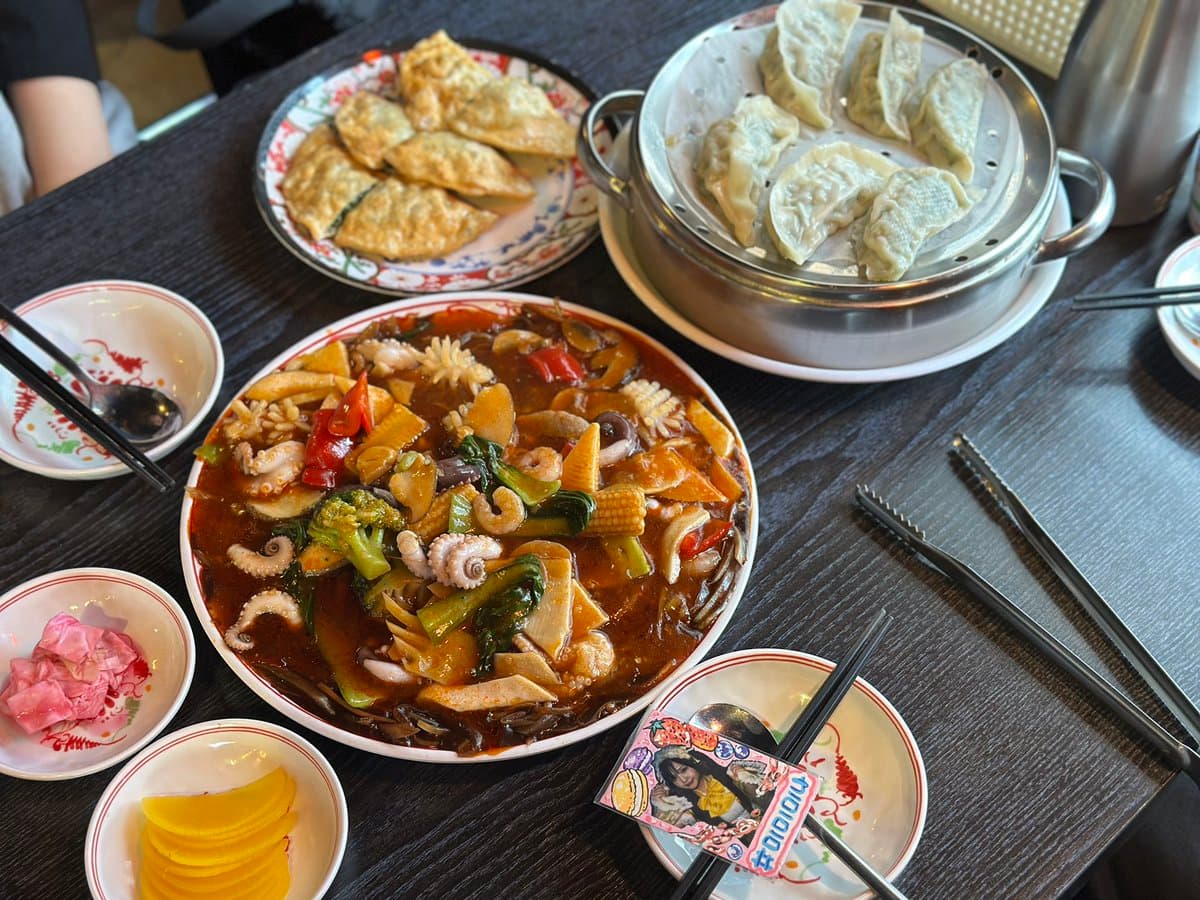
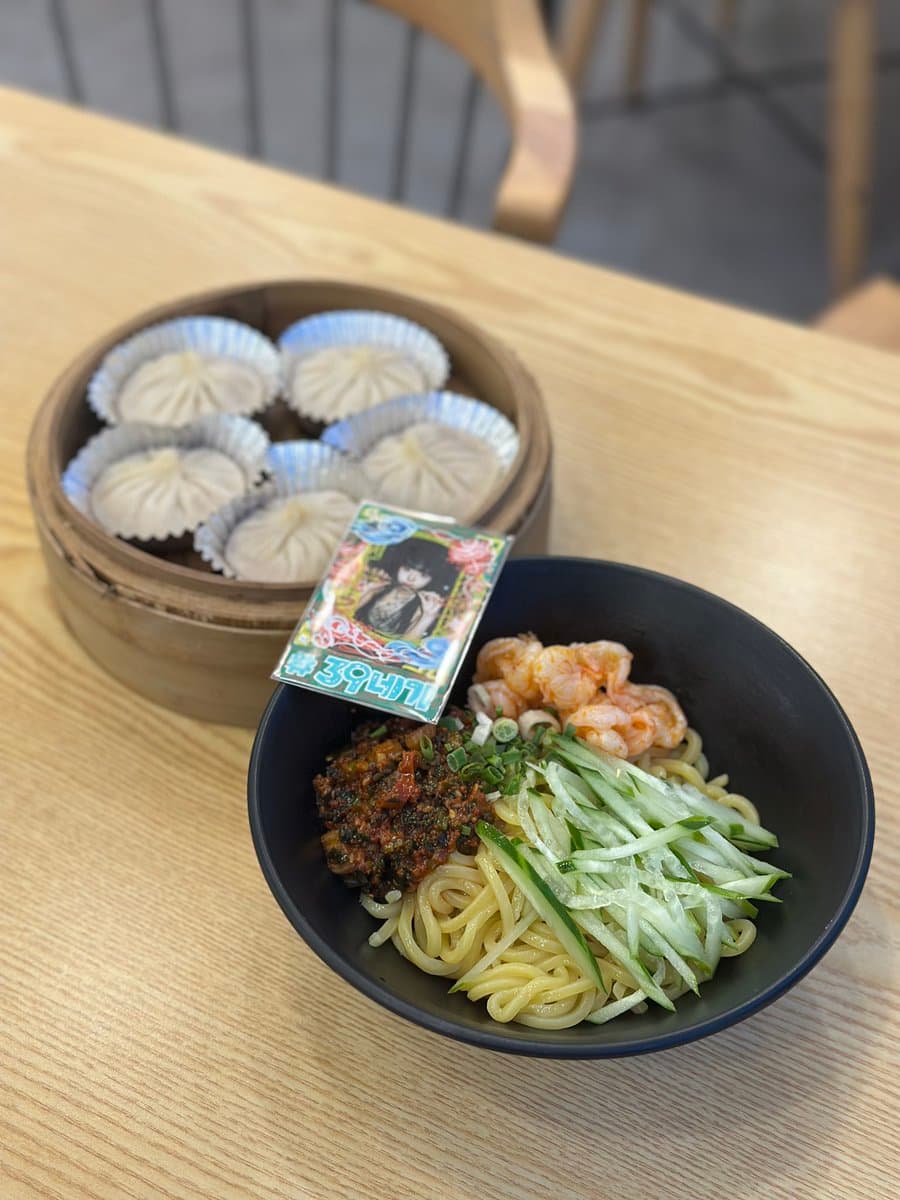
Hongik Univ. <Wangsoya>. Reopened as a stronger version of Hwasang Sonmandu. The flat fried dumplings here are simply art. The eight-treasure jjajang noodles also brought properly cooked vegetables and varied ingredients together in just the right abundance, making a delicious meal. Portions are generous. If you are at West Bridge for a show, stop here and eat the dumplings.
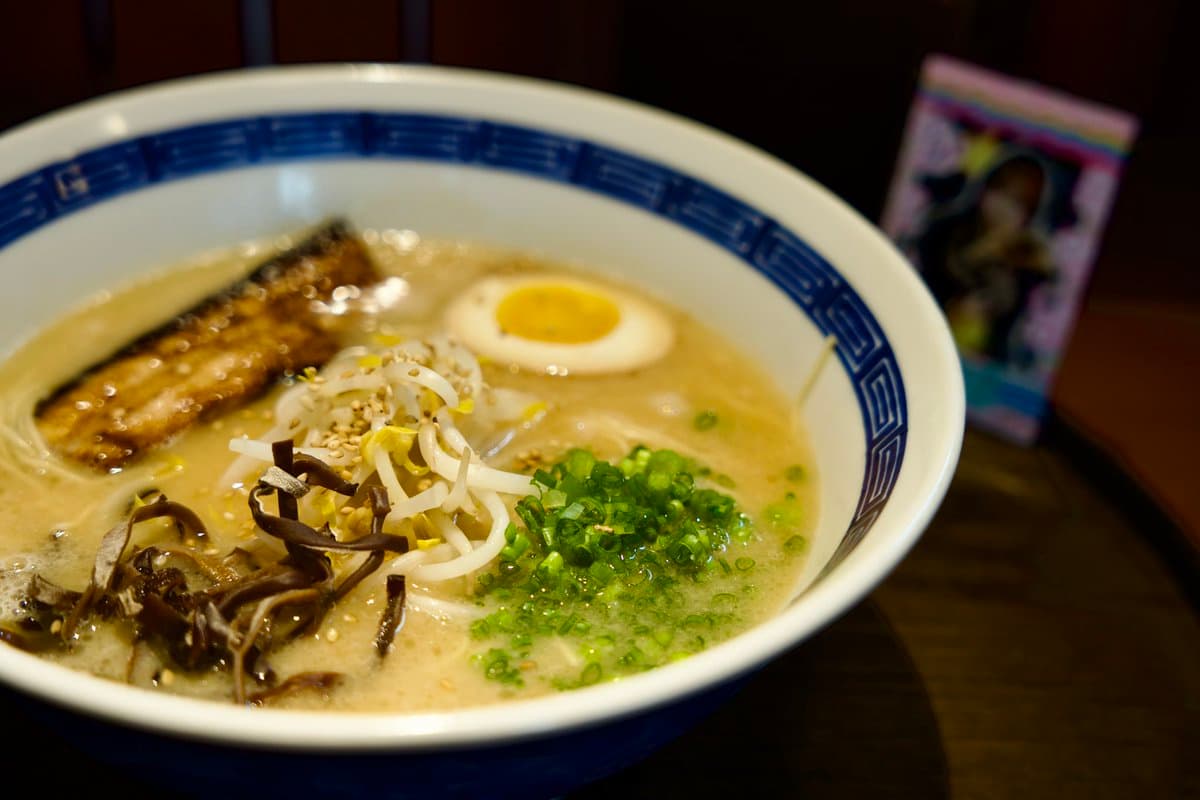
Hongik Univ. <Jirou Ramen>. Despite the name, it specializes in old-school Hakata tonkotsu. In a neighborhood that is itself a ramen battlefield, it has held to one menu for over a decade and survived as a respected shop that still draws lines. It is the familiar taste itself, but sometimes this is exactly what you want. Rice refills are free. Rich and delicious.
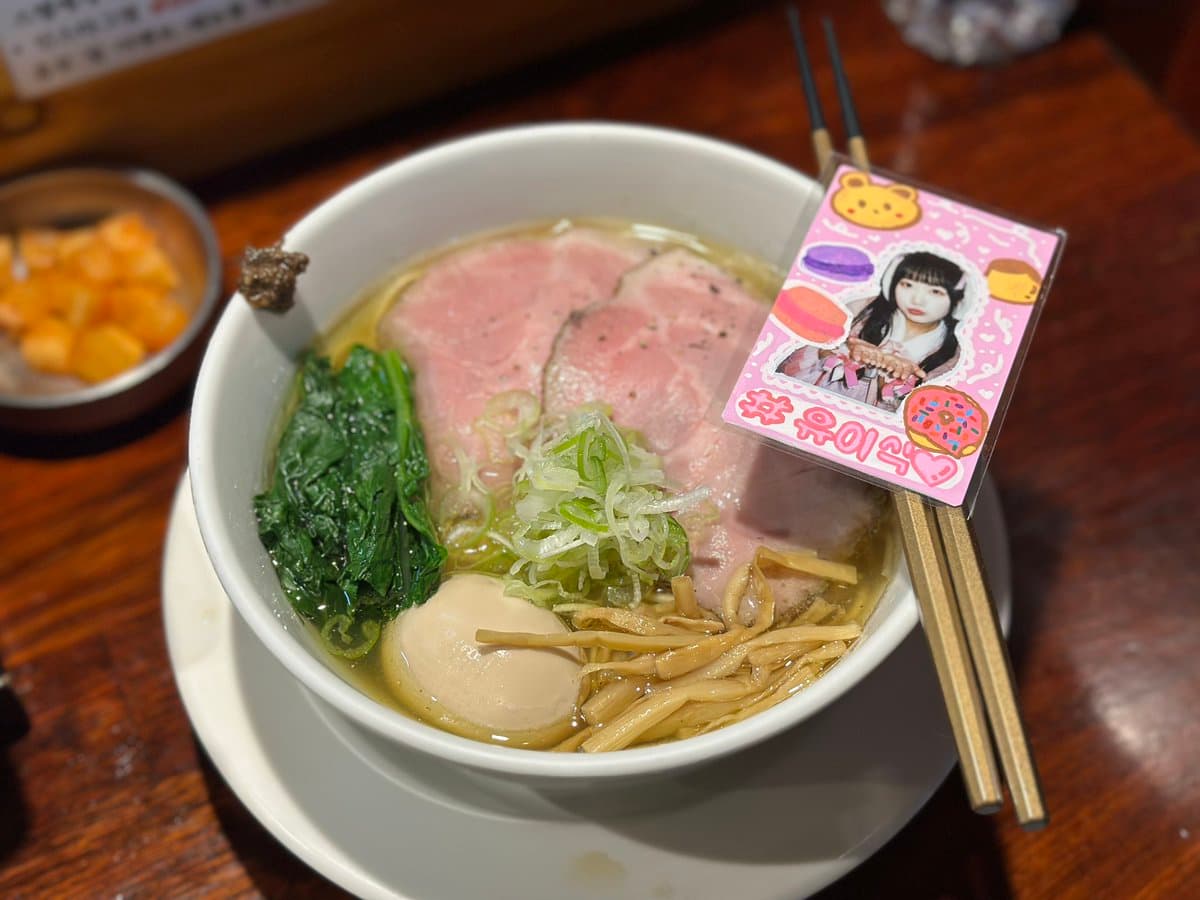
Hongik Univ. <Mashitaya>. Shio ramen. Wow—this is remarkably high quality. The aroma oil has a strong presence, yet rather than disturbing the overall balance, it gives weight to the clear soup. The menma, chashu, and noodles all rank among the best shio ramen components I have had in Korea. For the first time in ages, I finished every last drop.
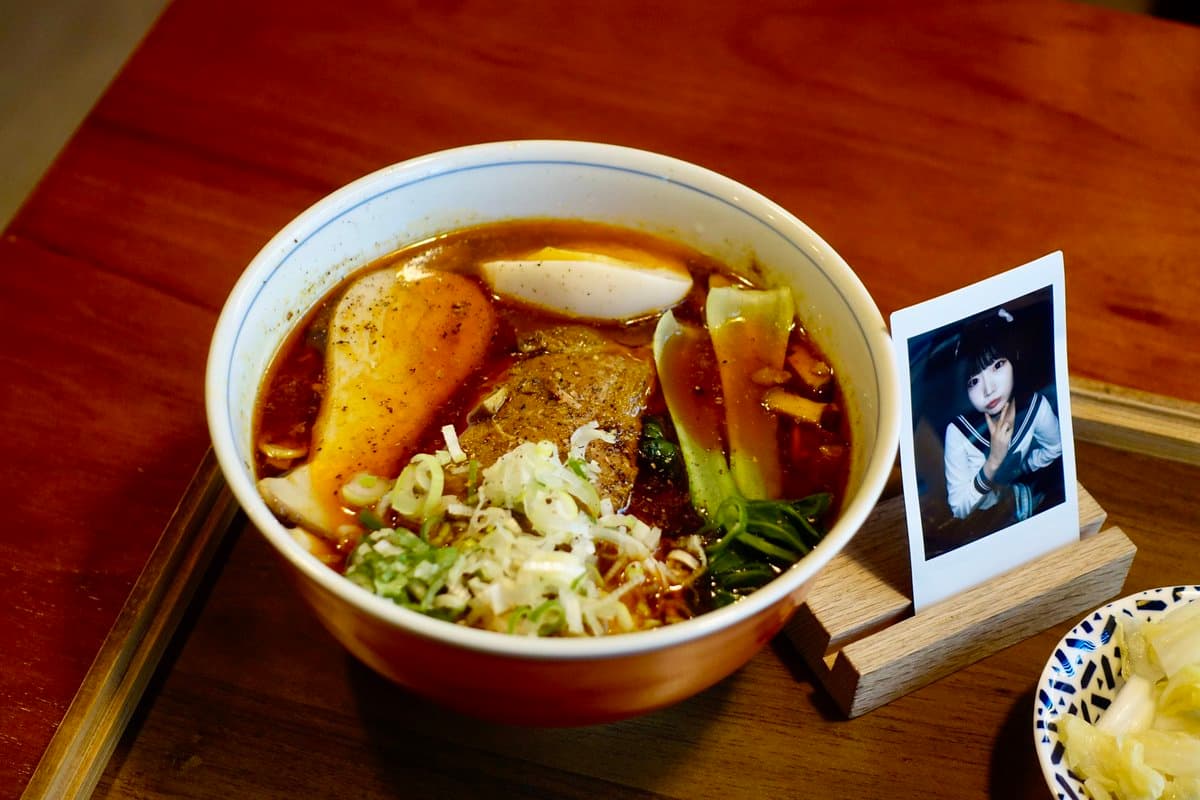
Hongik Univ. Station <Chuka Hiro>. Soup curry ramen. A rare place serving curry ramen. Coming alone was a mistake. Reviews say the signature chuka soba and tenshinhan are extraordinary; if the curry I chose simply because I wanted curry is this good, what about the other dishes? I will probably return soon to clear the menu.
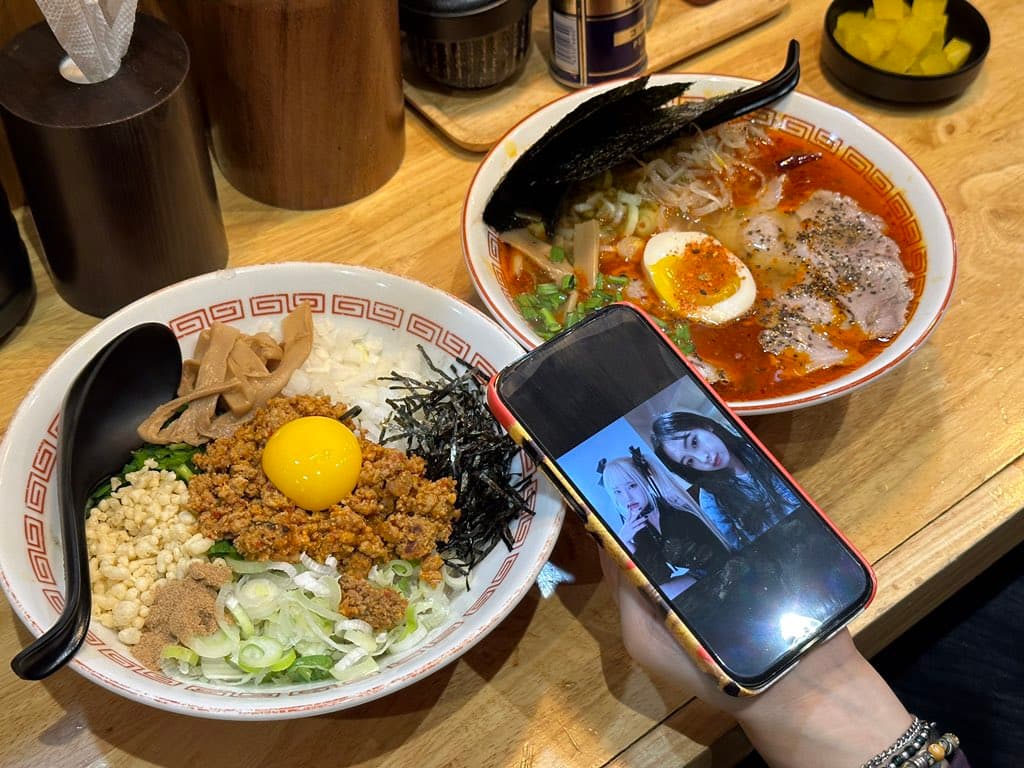
Hongik Univ. <Tsukeru>. Known for tsukemen and mazesoba, so I visited with company after an exhibition. It differs from Kanda Soba, but this well-balanced style is always welcome. Every flavor remains alive, from the varied accompaniments and katsuobushi powder to the sauce. The menma in particular is excellent. It has been a long time since I had menma this good.
Hongik Univ. Station <Jeungjeung Ilsang>. Sichuan shrimp cold noodles and guantangbao. I still consider Wangsoya the best near West Bridge, but I found another solid place. The soup in the guantangbao was good, even better with the house-recommended sauce blend. Worth visiting for a simple, tasty pre-show meal.
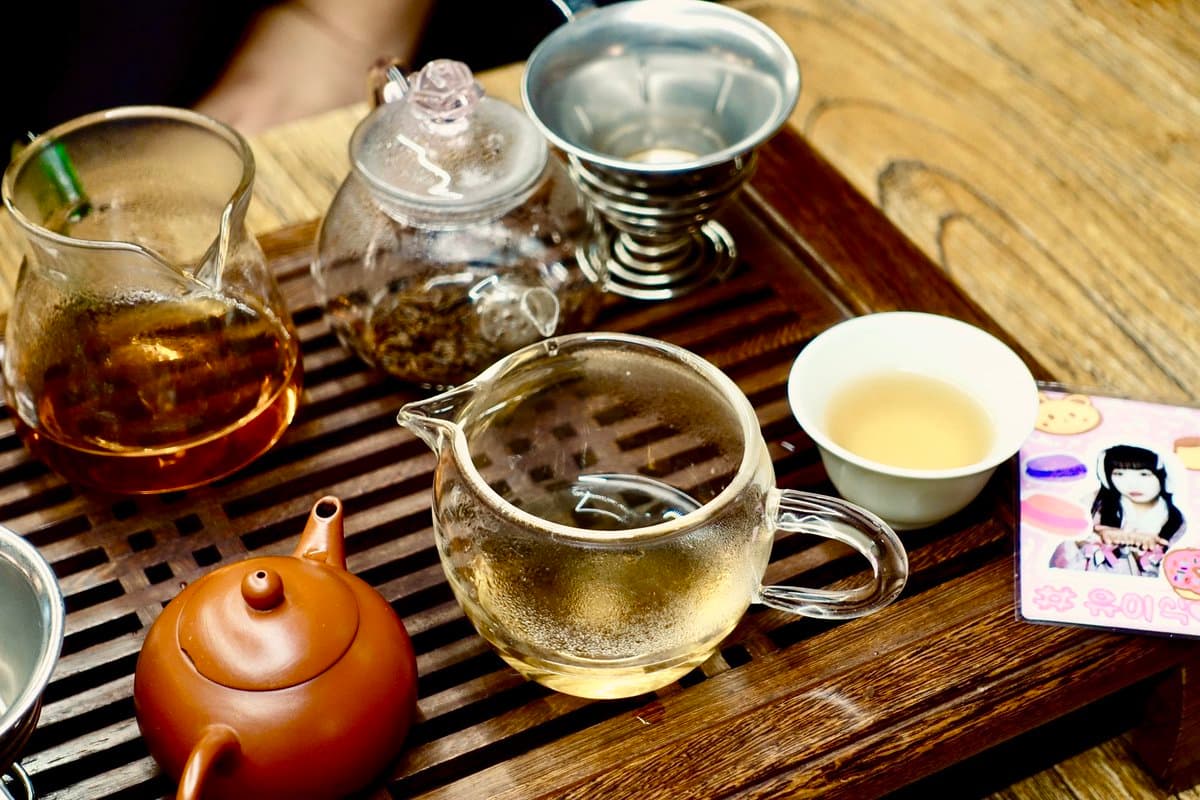
Hongik Univ. Station <Durecha>. A real teahouse where you can spend time calmly drinking many kinds of tea. White, black, green, yellow, and oolong teas arrive with simple teaware. Prices are around that of an ordinary cup of drip coffee, so there is little burden. An ideal place to enjoy, quite literally, the leisure of a cup of tea.
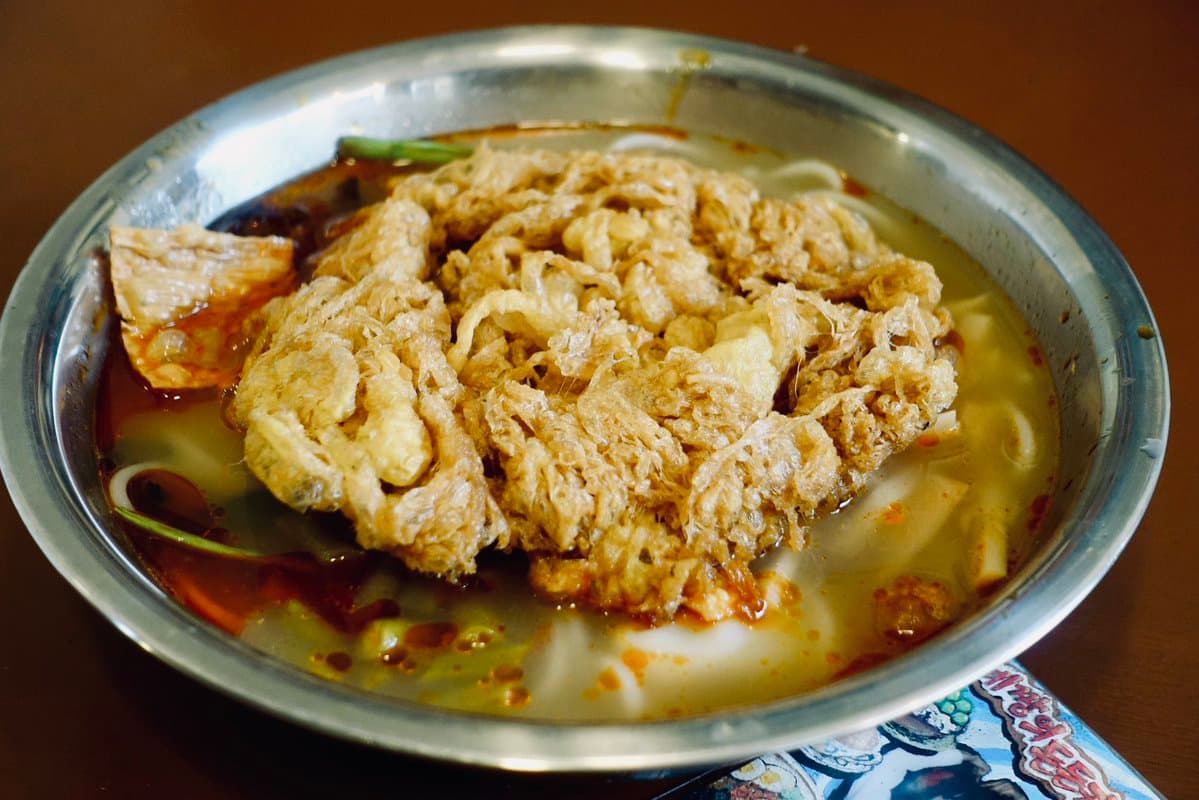
Hongik Univ. <Nyam Nyam>. I came after hearing there was a place serving *luosifen* (螺蛳粉). The spicy noodles use river-snail broth and are topped with *suansun* (酸笋), fermented bamboo shoots with a distinctive odor. If it does not suit you, it is nearly impossible to eat; if you do not mind, the flavor and aroma are addictive. This version is somewhat adapted for Korea. Quite good.
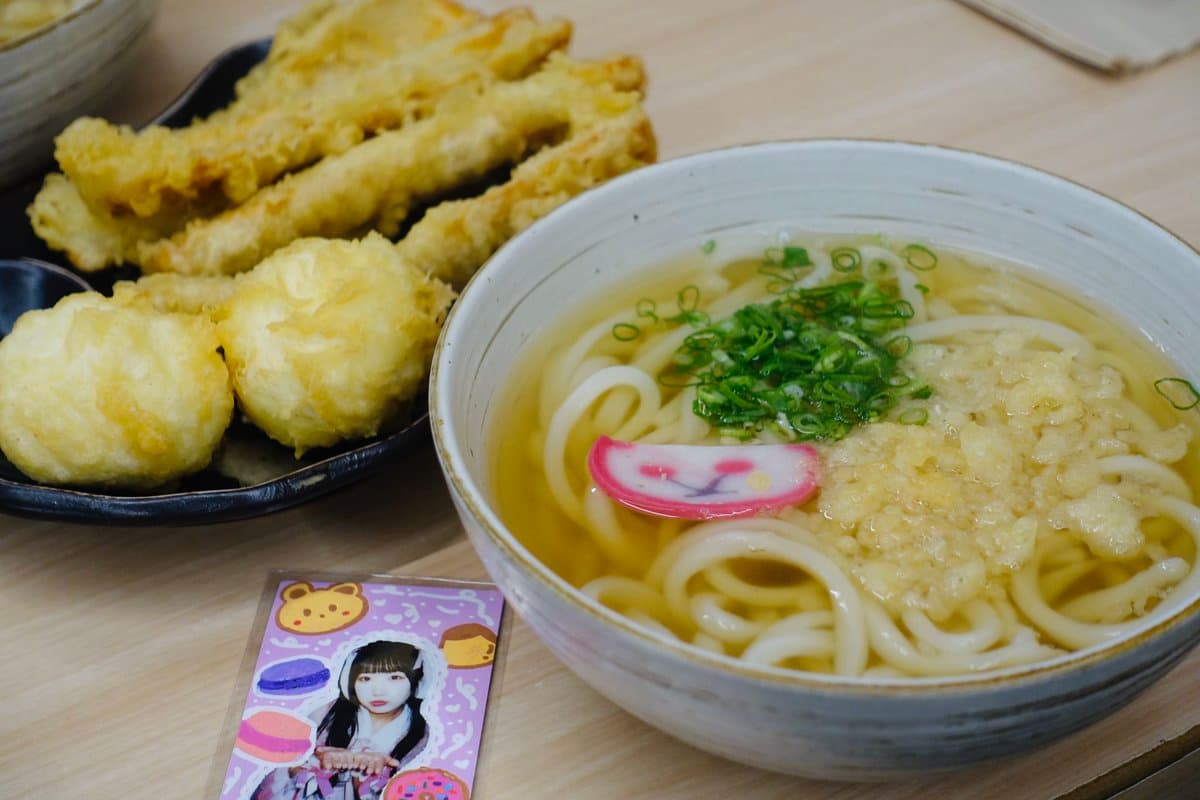
Hongdae <Kami Udon>. Kake udon, the basic bowl, with egg and chikuwa tempura. Unless you arrive right as the break ends, expect a long wait. Startlingly delicious. The noodles are truly excellent. Leaving without eating the tempura would be a guaranteed regret, and I fully intend to return soon for the other dishes.
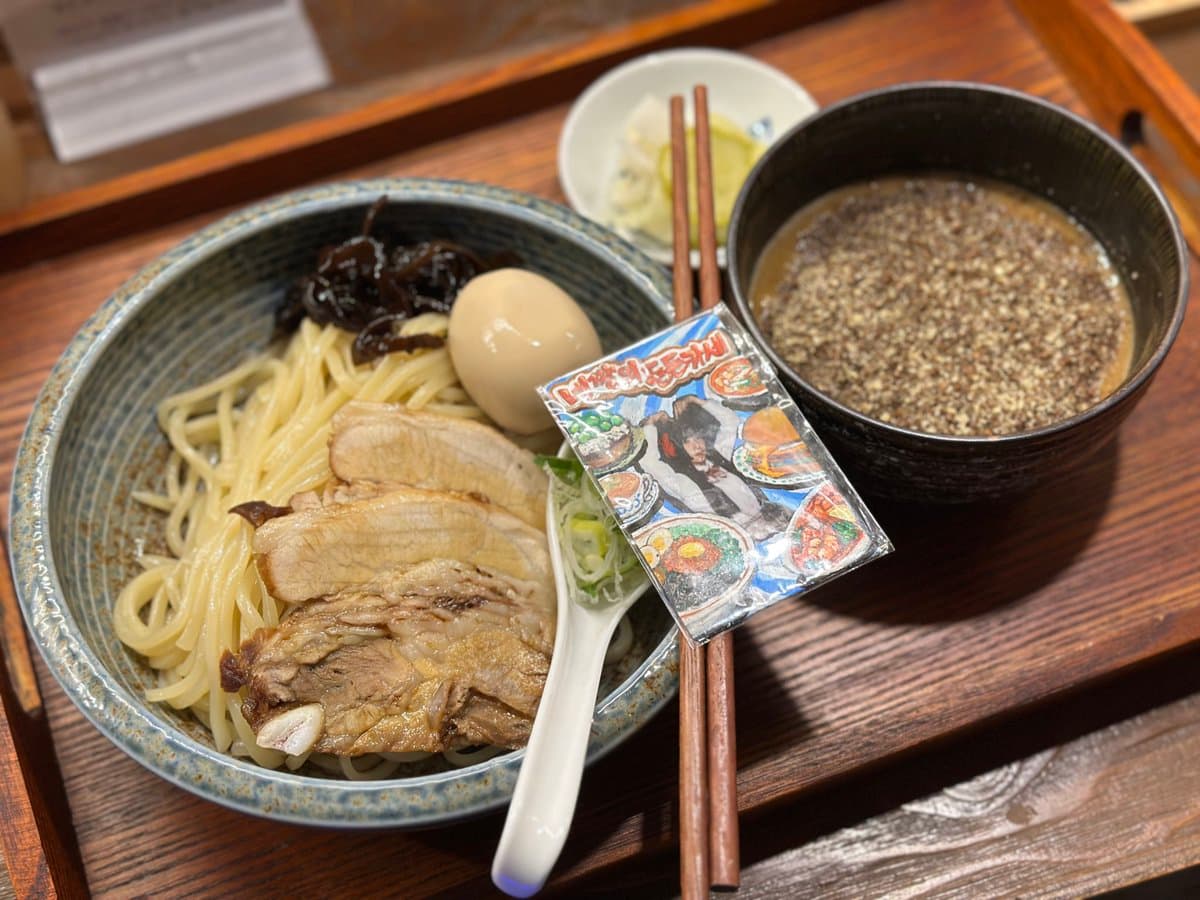
Hongik Univ. Station <Mentaku>. It is remarkable that someone without a famous lineage reached this point through independent training. The tsukejiru is richer than anything I have encountered recently, topped with ground sesame and perilla seeds. The crucial noodles are excellent, and the chashu—changed from sous vide to a whole pork-belly preparation—is good too. Extra noodles are mandatory. More than willing to return.