Hapjeong <Meaty>. Gamberoni pasta. It uses crustacean stock and crab miso. Excellent enough to make me want it at least once more. The kitchen clearly pays close attention to its ingredients, while the cozy, deep atmosphere stands apart from other nearby places. The beef-heart salad served as an appetizer was good too.
Hongik Univ. Station <Mandu Bar>. Hot pot is the signature, but every dish was better than expected. The butter-cheese grilled mushrooms in particular felt worth coming here for by themselves. Truly delicious. The mandu are handmade in the kitchen. Come with about four people and order as broadly as possible. I will return.
<Prism Lounge>. A kind of curry. The composition changes daily and quantities are limited. I have watched the owner’s various undertakings for years; true to someone wholly governed by the pride of preferring not to do something at all rather than do it half-heartedly, the curry is good too. The carefully prepared carrot and onion, cooked until very tender, are delicious. Even the price is good. Worth eating while you can.
Hongdae <Sogeum Noodle House>. Cold tsukemen, 270 g of noodles. This is Yuzu Ramen's flagship store. Tsukemen usually pairs cold noodles with warm dipping broth, but here the broth is cold too. A shoyu-and-yuzu base with a little chili oil adds a sour-spicy kick. The menma, chashu, and noodles are all excellent, making for a very pleasant bowl.
Hongdae <Sneakers Burger Club>. I rarely praise this strongly, but for so-called “American flavor,” I genuinely cannot think of anywhere in Seoul that surpasses it. Bun, patty, cheese, jalapeño, grilled onion—every element is delicious. The potatoes are excellent too; dip them in mayonnaise.
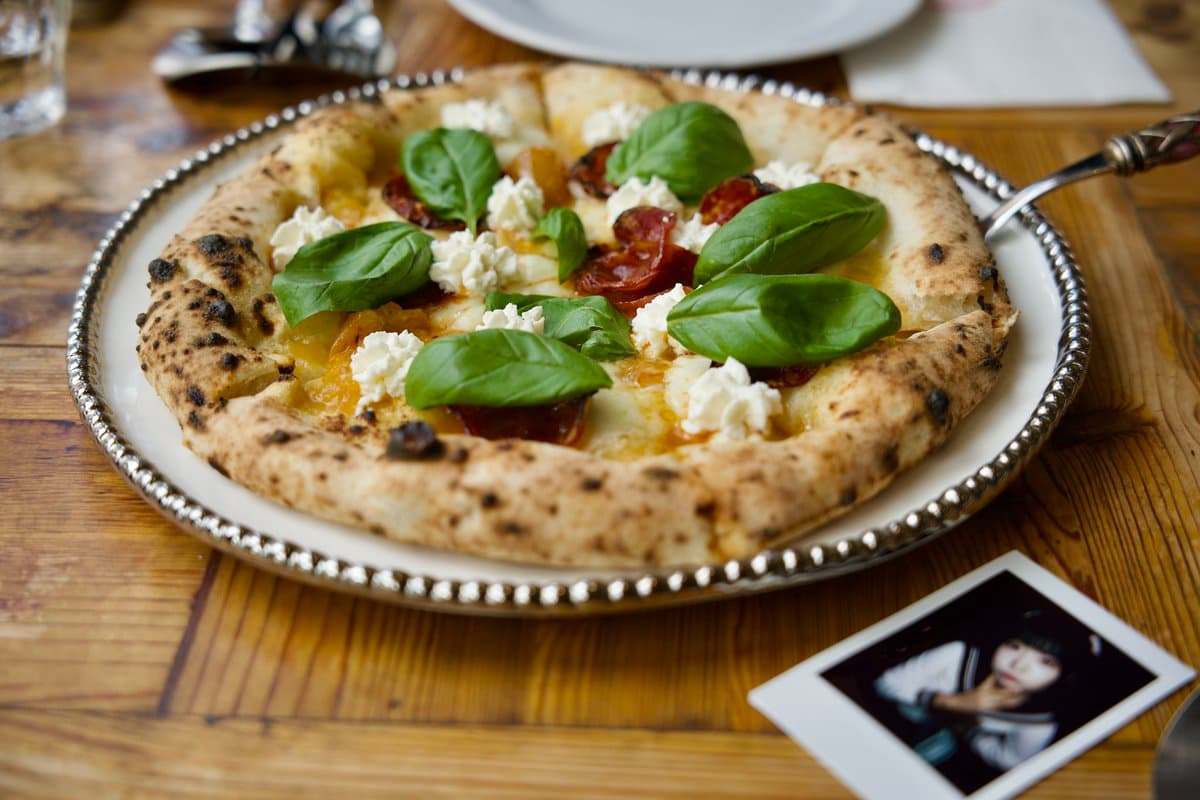
Hapjeong <Panello>. I have a small, old connection with this place through Naples. Even by the standards of someone who spent two weeks eating Neapolitan pizza day and night while covering a world pizza competition, the pizza here is excellent. The carbonara has always been good, and was again today. Naturally, it is rich. This is the kind of food I wanted.
Hapjeong <Sihyang>. Specializes in old-style jajang, exactly as claimed. The noodles are hand-pulled in the kitchen; the sauce is made in-house rather than from a polished commercial base; the emphasis is on salt rather than sweetness. Those used to modern jajang may mistake it for careless, but it is one of the very few surviving old-school examples.
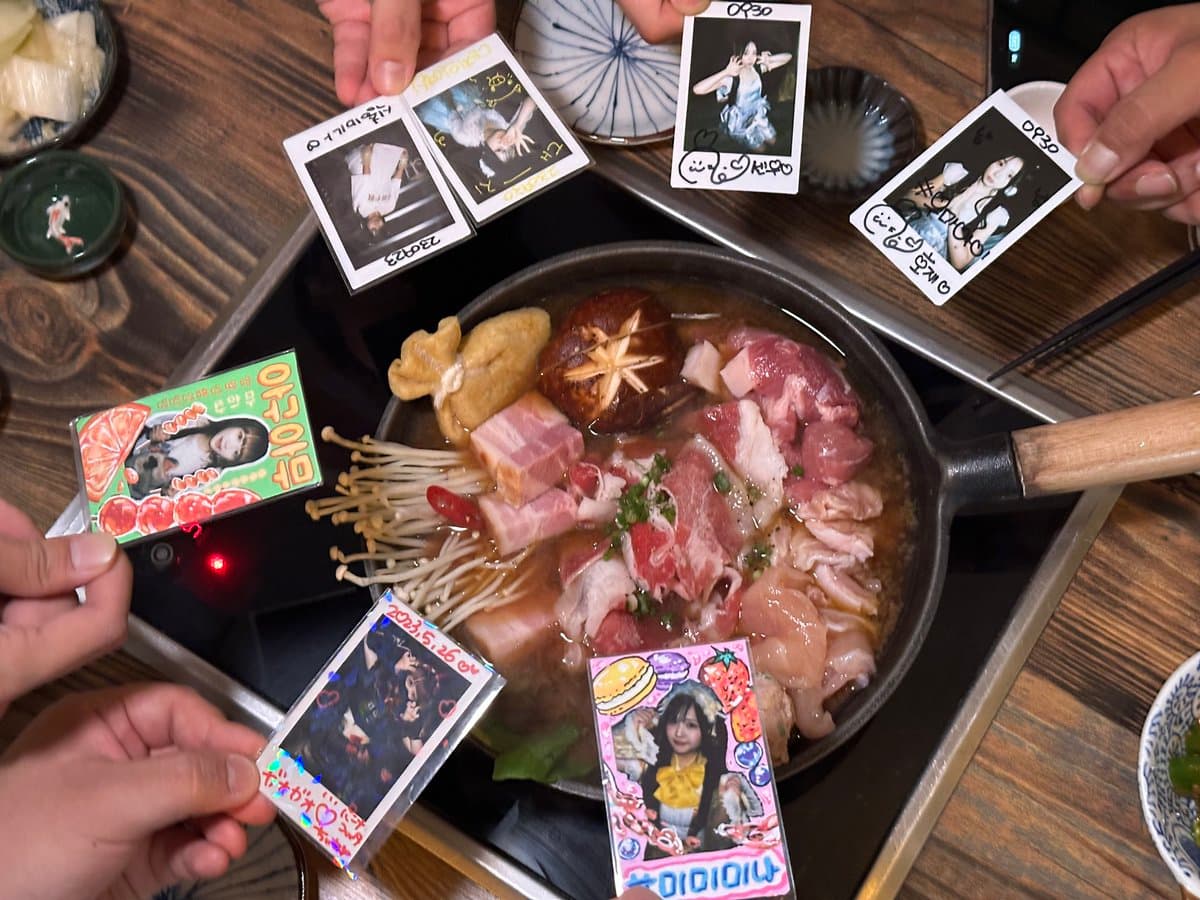
A new uchiage hot spot, <Nabe Workshop>. Everything is good, but the miso-based chanko nabe is an absurd cheat dish, practically a soju massacre. The fried eggplant tsukune was also excellent. They sell a broad range of Korean liquor, and Golden Barley soju formed such a fine marriage that everyone admired it. After a nearby show, this is mandatory.
Hapjeong <Currygenal>. Fried boneless chicken-leg soup curry, level two. Every ingredient was cooked superbly: not merely dried out, but preserving its own texture and flavor, while the surface retained an exquisitely crisp finish. Truly high-level technique. It is not as clear as Hokkaido-style soup curry, but it is delicious.
Hongdae <Kamiya>. Okonomikatsu. The menu is broad. A crisply fried, moderately thick Jeju black-pork cutlet is covered with okonomiyaki sauce and bonito flakes. The portion is generous, yet the price remains below KRW 10,000. In a district where stores change every six months, a place thriving for fifteen years has its reasons.