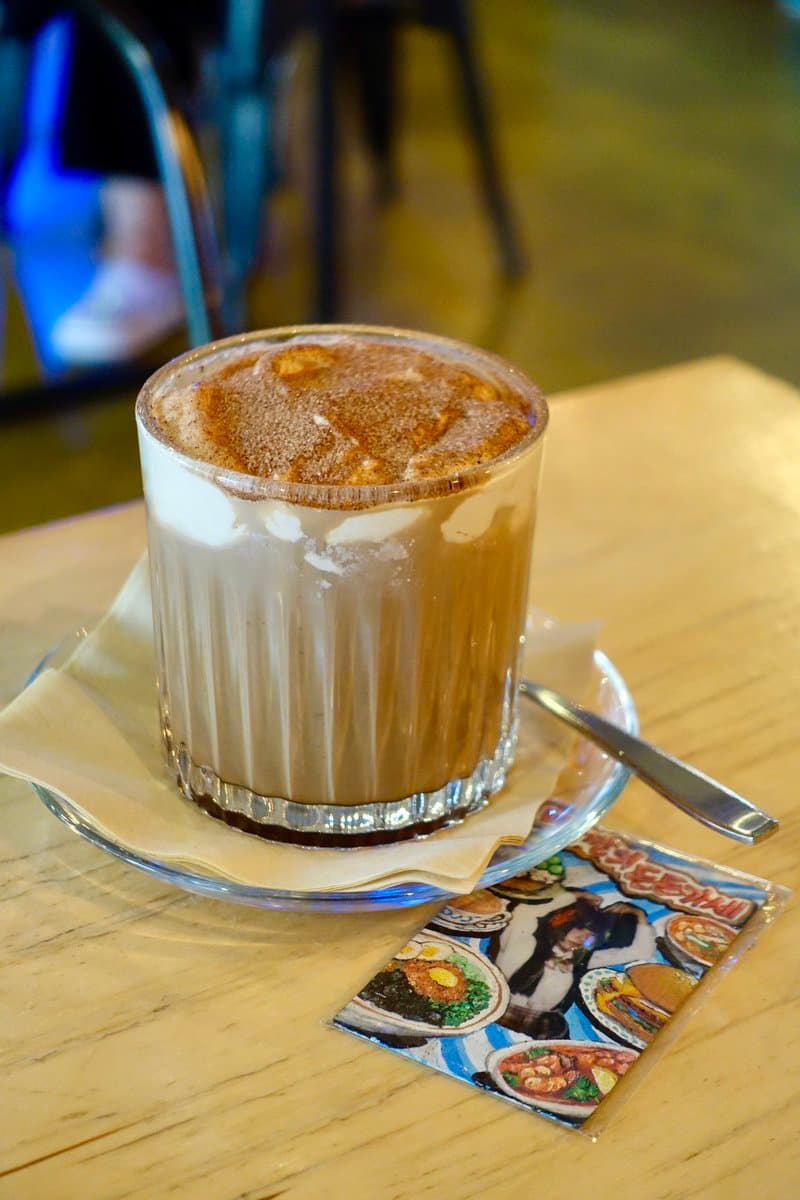
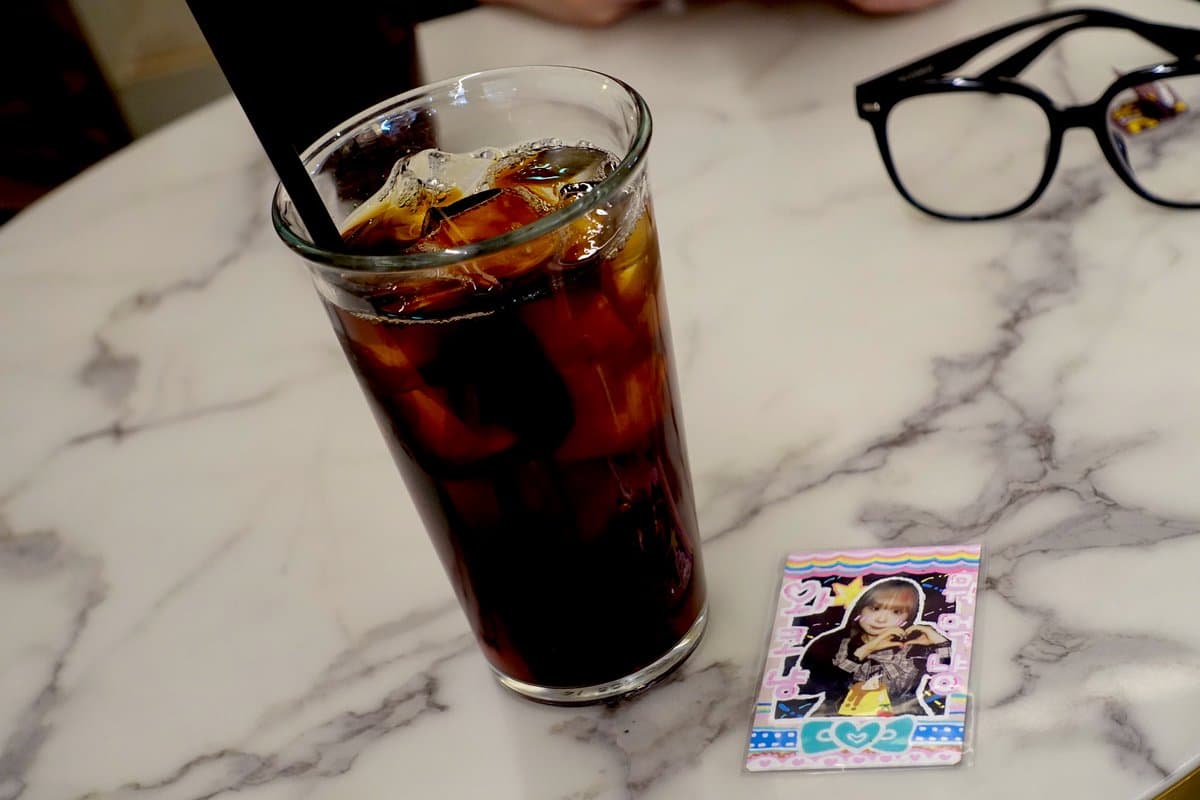
Hapjeong <Disco Planet>. The drinks are not especially good, but it is famous for a cat that wanders around the room. Some seats have outlets, and most tables are large enough for conversation or work. The cat has become a little rounder than three years ago. So have I 🙄.
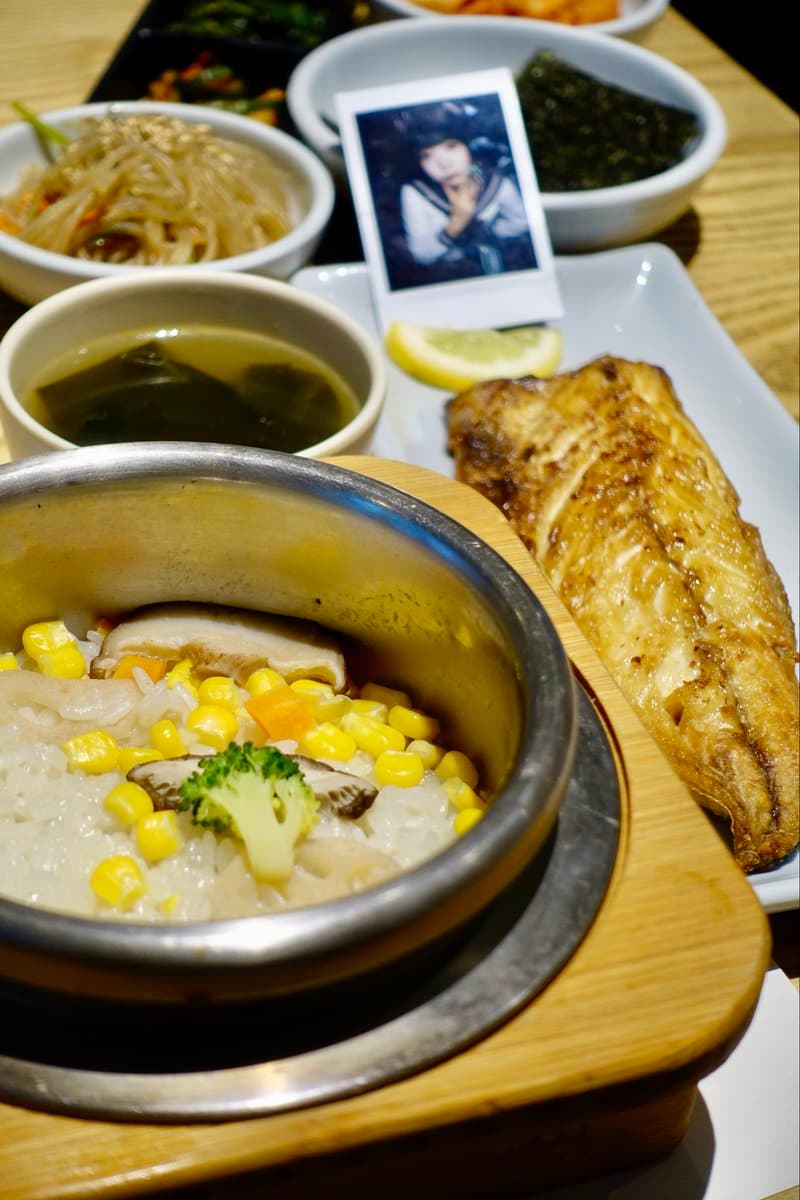
Hongik Univ. <Deulpul Hansang>. A pot-rice restaurant serving seasonal rice, a main dish, and several sides. I chose grilled mackerel; meats, deodeok, abalone, and other options are available. Nothing is extraordinary, but the unobtrusive composition and flavors seem built for repeat neighborhood visits without fatigue. Makgeolli pairings are also thoughtfully prepared.
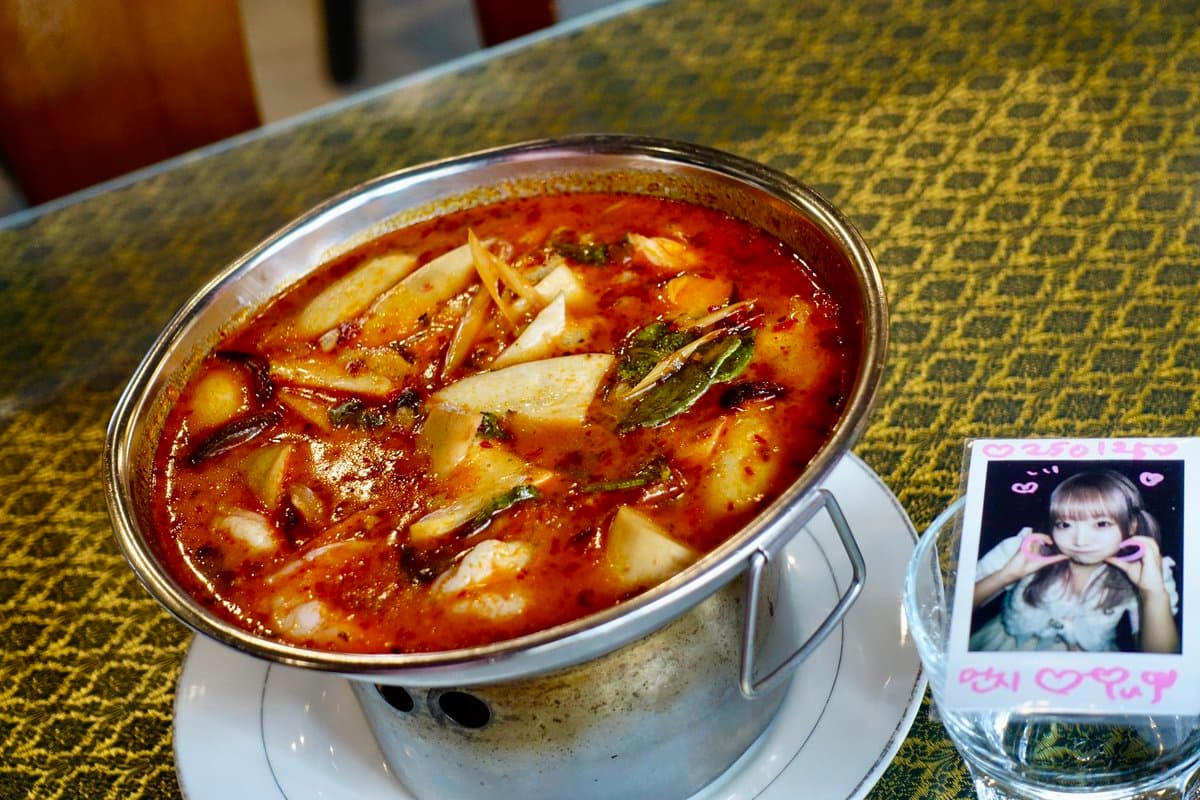
Hongik Univ. <Amazing Nong Khai>. Signature tom yum goong. Rather than tasting adapted for Korea, it delivers a bold, full-flavored profile with clearly defined character. Rice and noodles are not included, so they must be ordered separately. The ingredients themselves are not exceptional, but the cooking is good enough that it could easily be called a local favorite even in Thailand.
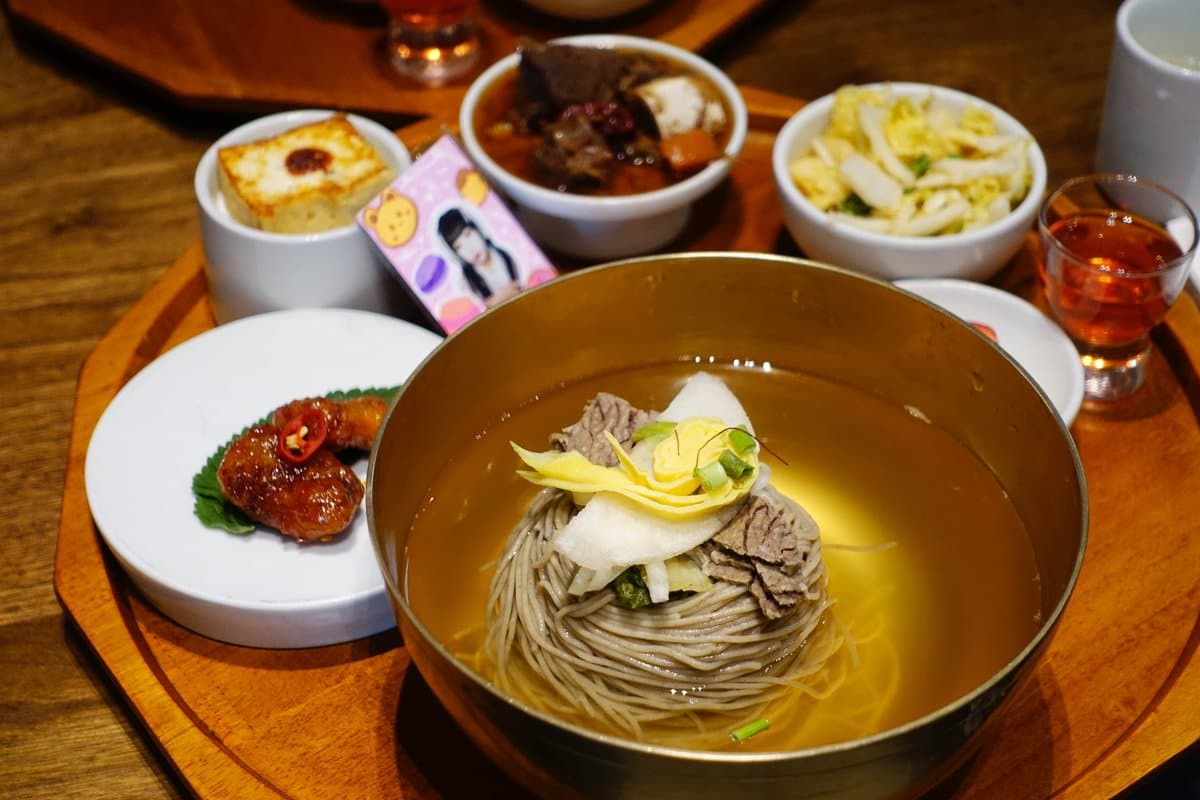
Hongdae <Seogwan Myeonok>. Special *myeonsang* set. The broad and generous assortment of side dishes was welcome, and above all, the main event—the naengmyeon—was excellent. The seasoning is restrained, but the aroma of the pure buckwheat noodles is richly apparent. The side dishes are generally more assertively seasoned, creating a good balance. A place that guarantees satisfying fullness.
Seogyo-dong <Roasting Masters>. The name carries plenty of swagger, but some of it is justified. The coffee is very good. Beyond coffee, they roast cacao and make their own chocolate as well. The Meister Blend is around a medium-dark roast, with good detail. After drinking acidity-led coffee for so long, this style feels welcome.
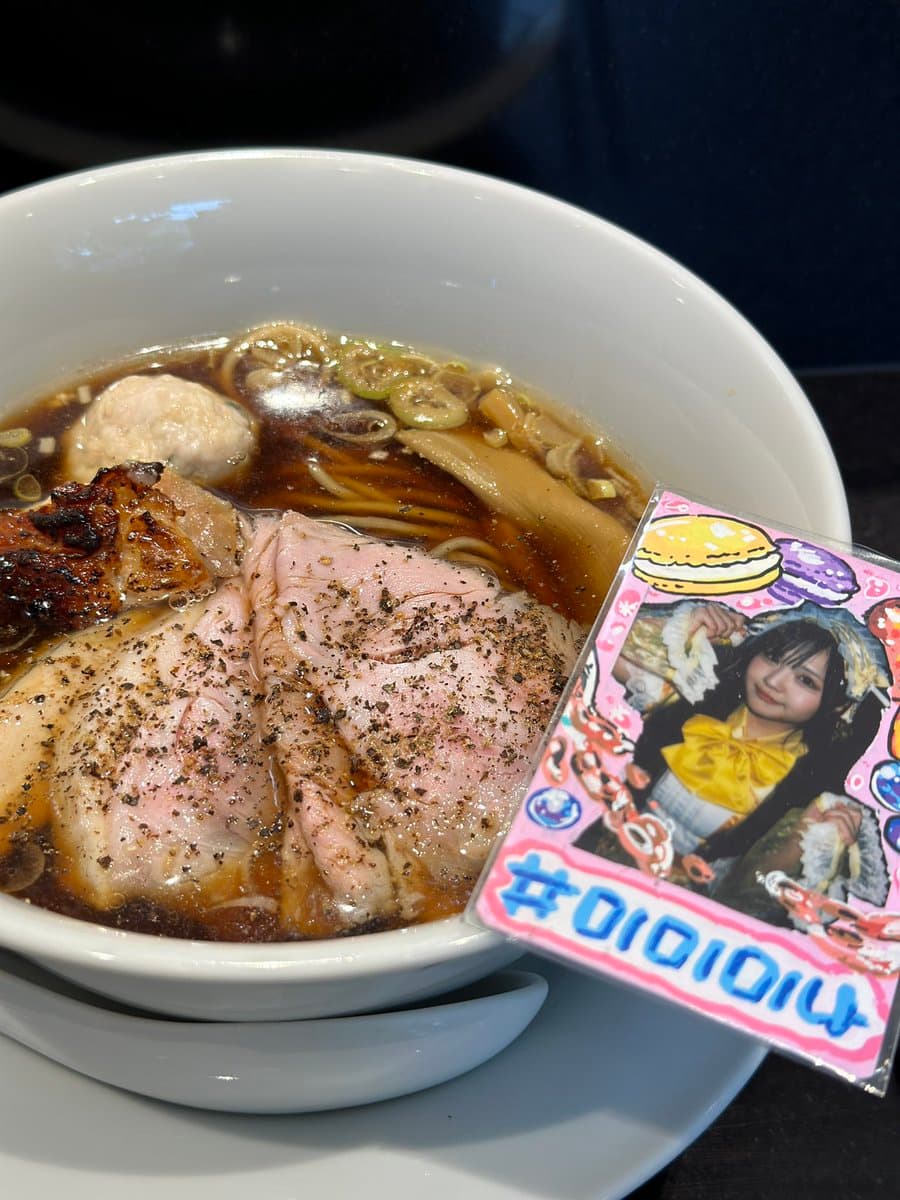
Hapjeong <Menya Jun>. Black Shoyu. It uses a deeper soy sauce than the standard shoyu bowl and adds anchovy aroma oil for greater complexity. The noodles were excellent, and the torch-seared chicken chashu carried a strong pepper aroma that left a very long finish. Ramura serves something in a similar family, but this is better balanced.
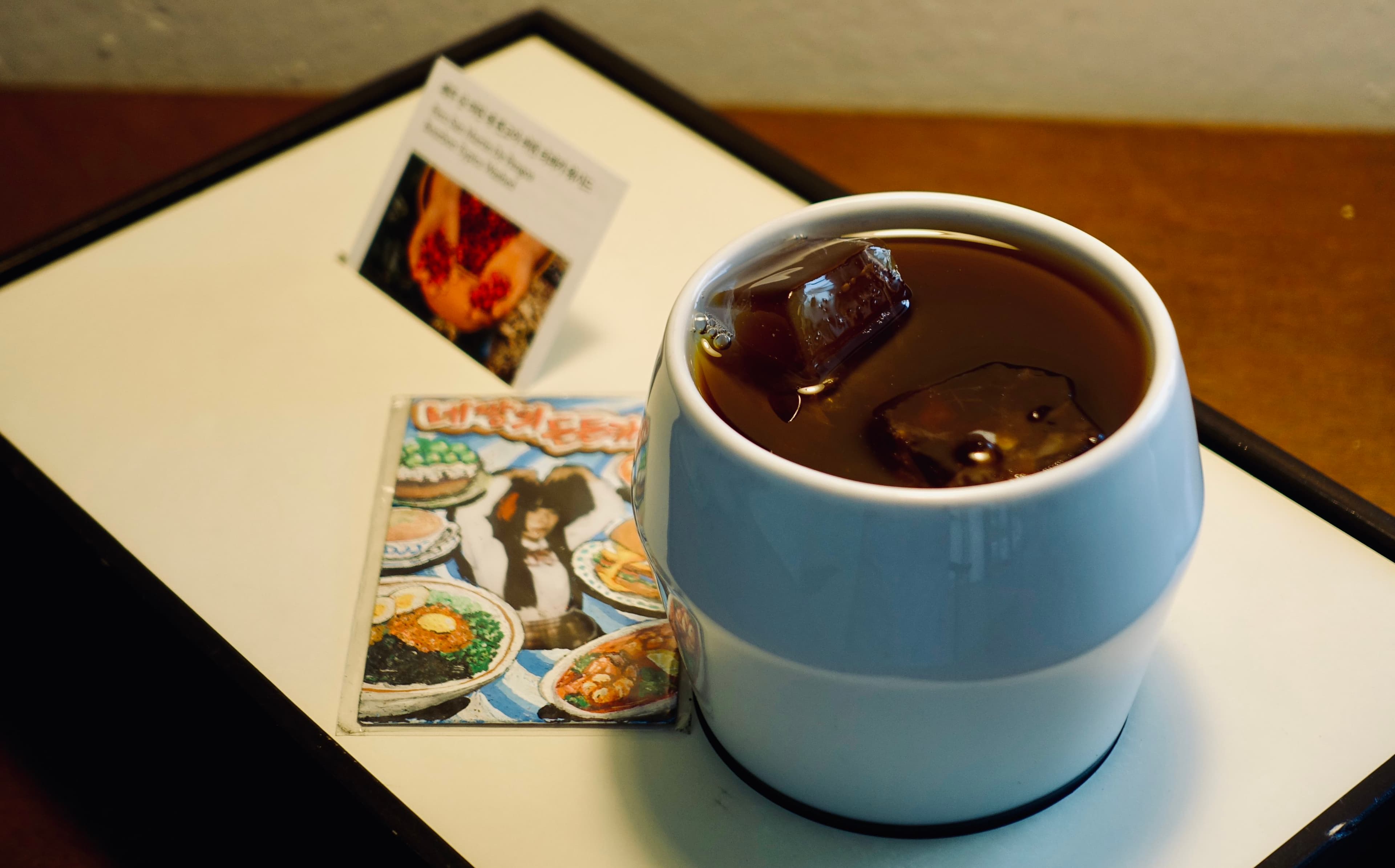
Hapjeong <Discovery Within>. The unusual interior creates a good atmosphere, and the shop handles a broad range of specialty coffee. Peruvian coffee is not something I encounter often, so I chose it and received an excellent cup with a vivid floral character. Prices are somewhat high, but the flavor and aroma convincingly justify them.
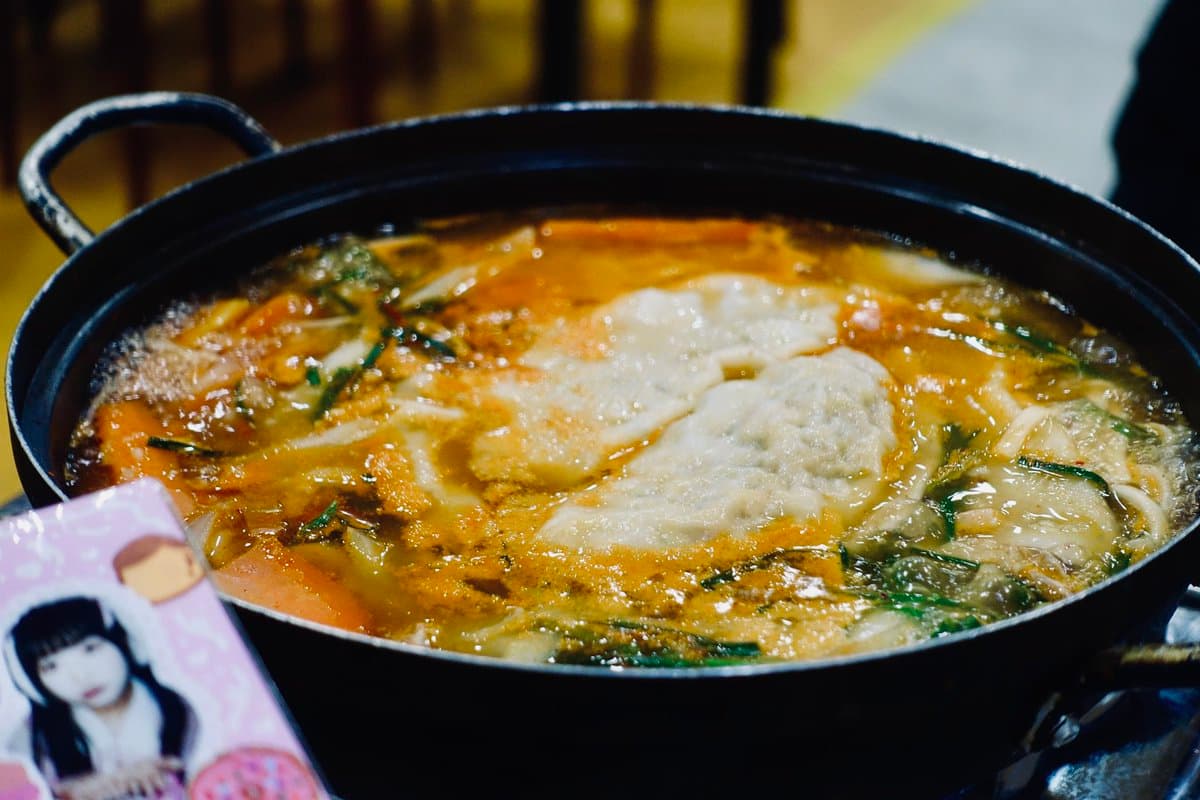
Hapjeong <Nambuk Tongil>. Northern-style mandu hot pot, with dumplings made in the kitchen. It looks unremarkable, yet tastes flawless. The dumpling wrappers and fillings are both soft and harmoniously made, and the kalguksu is startlingly good. It is not merely there to absorb the intensity of the hot pot; it is excellent in its own right. Not that the hot pot is particularly aggressive to begin with.
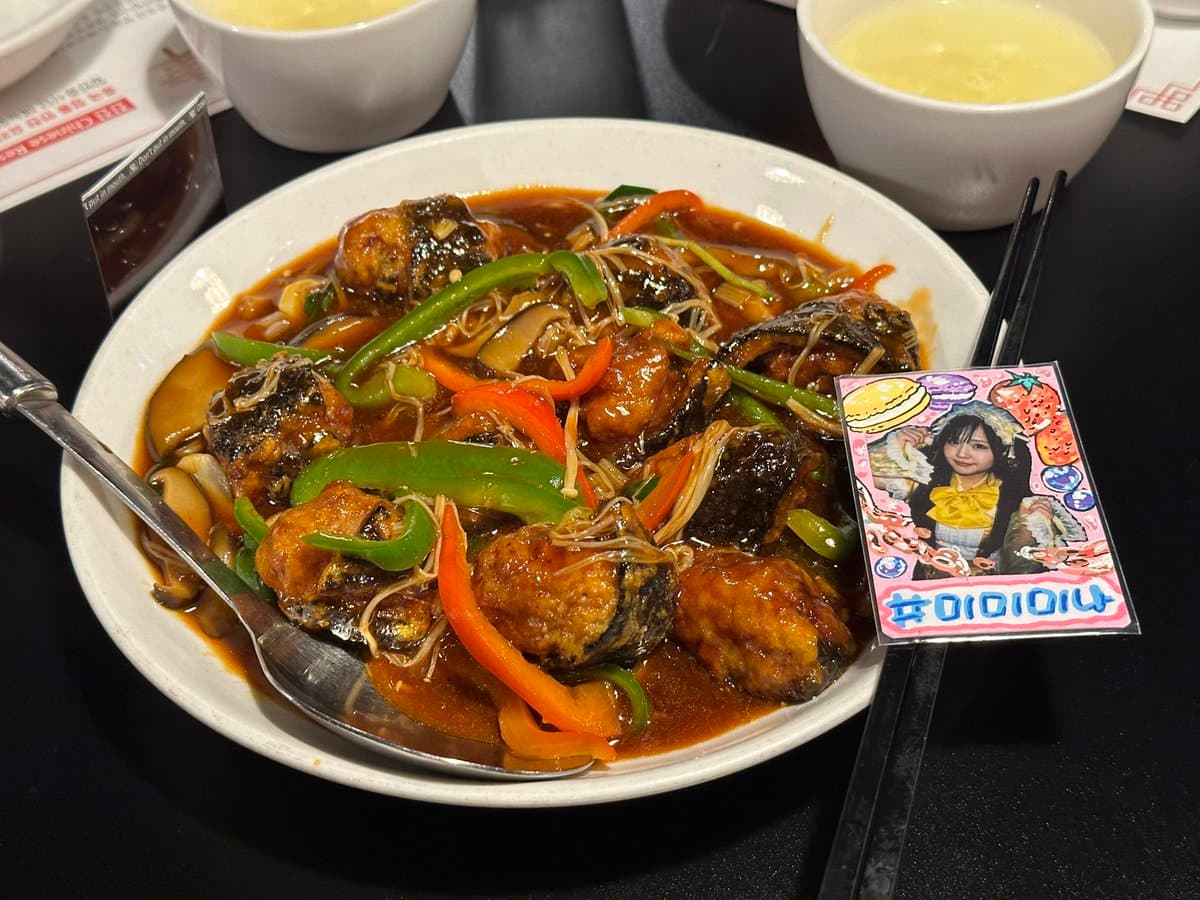
Seogyo-dong <Jinjin>, main building. Geumsaoryong and fried rice. I was genuinely satisfied for the first time in a while. The sea-cucumber flavor was good, the minced meat inside was juicy yet fresh, and the sauce excellent. The fried rice was uncommonly superb. The inclusion of lap cheong alone earns goodwill, and it was even fried exceptionally well. The details are alive. Delicious.
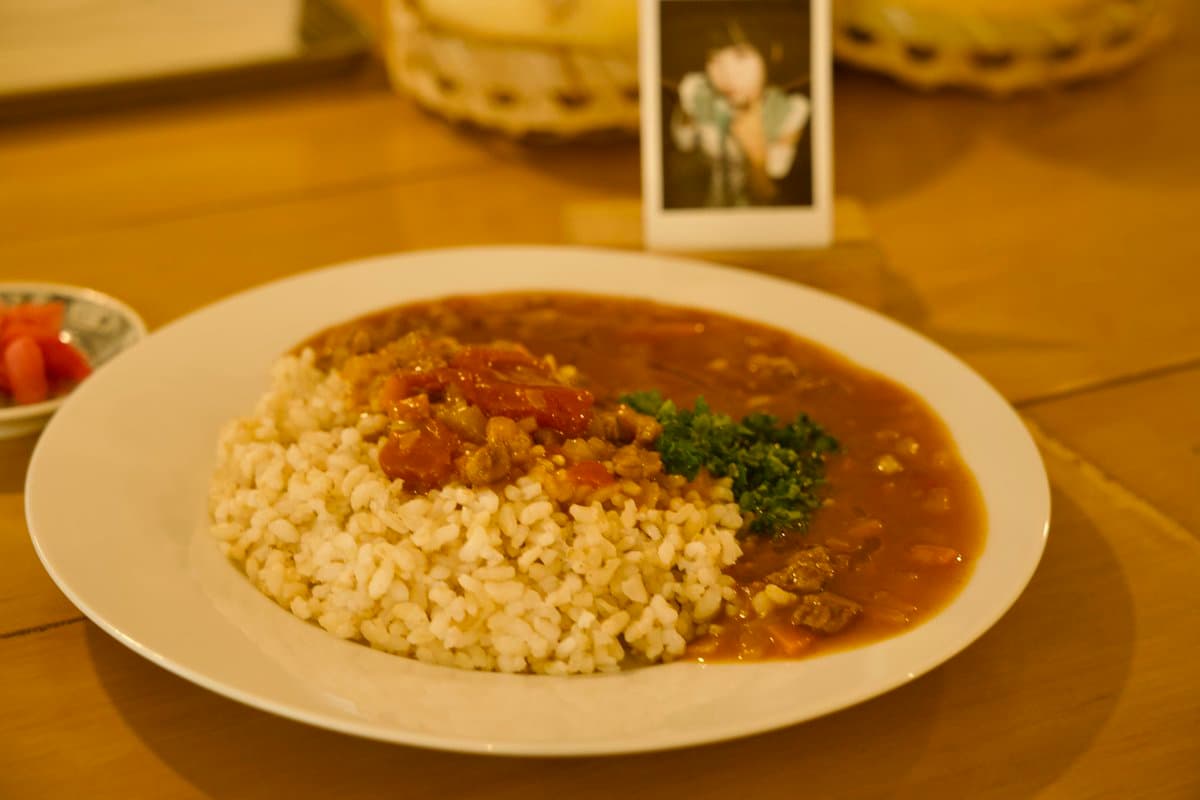
Hapjeong <Roots>. A Japanese-French bistro that serves a new seasonal lunch dish. The menu beginning Wednesday is lamb curry: a fresh vegetable curry with tomato for added umami, topped with lamb and parsley. Delicious. As the weather grows colder, they plan to change it into a composition with more overall weight.