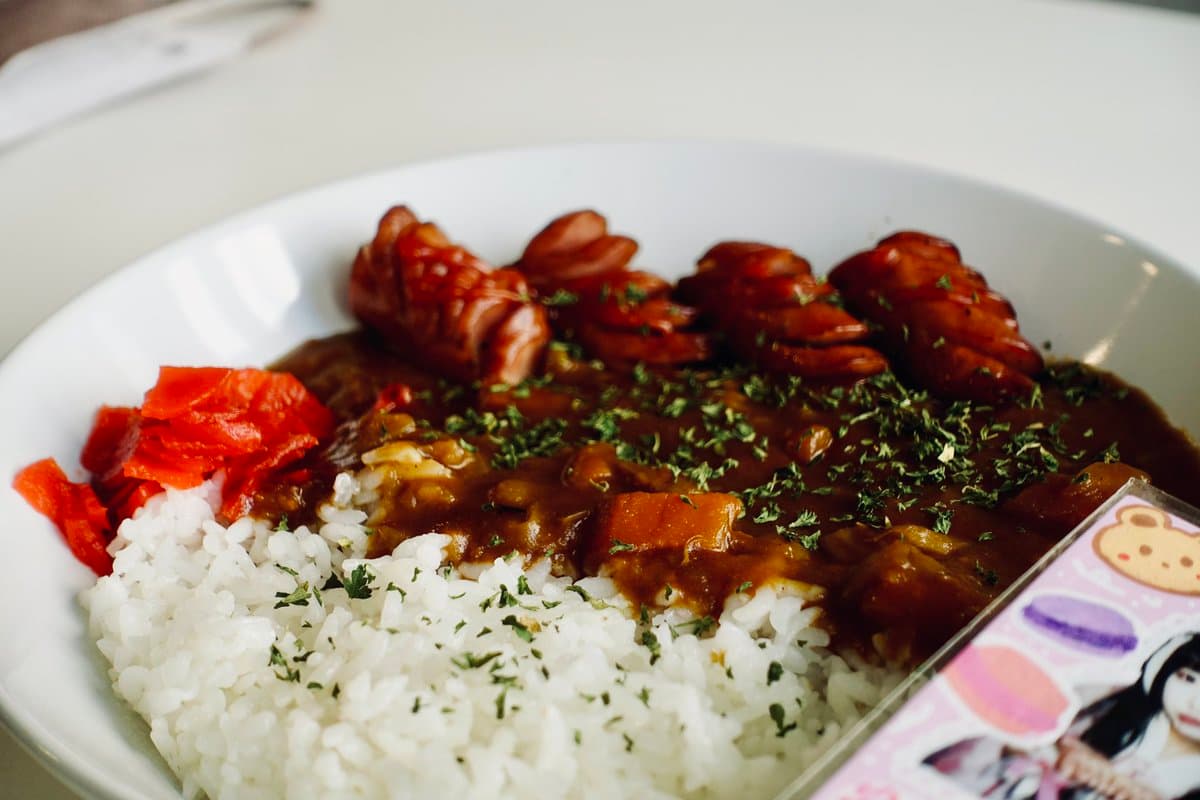
<Prism Lounge>. A kind of curry. The composition changes daily and quantities are limited. I have watched the owner’s various undertakings for years; true to someone wholly governed by the pride of preferring not to do something at all rather than do it half-heartedly, the curry is good too. The carefully prepared carrot and onion, cooked until very tender, are delicious. Even the price is good. Worth eating while you can.
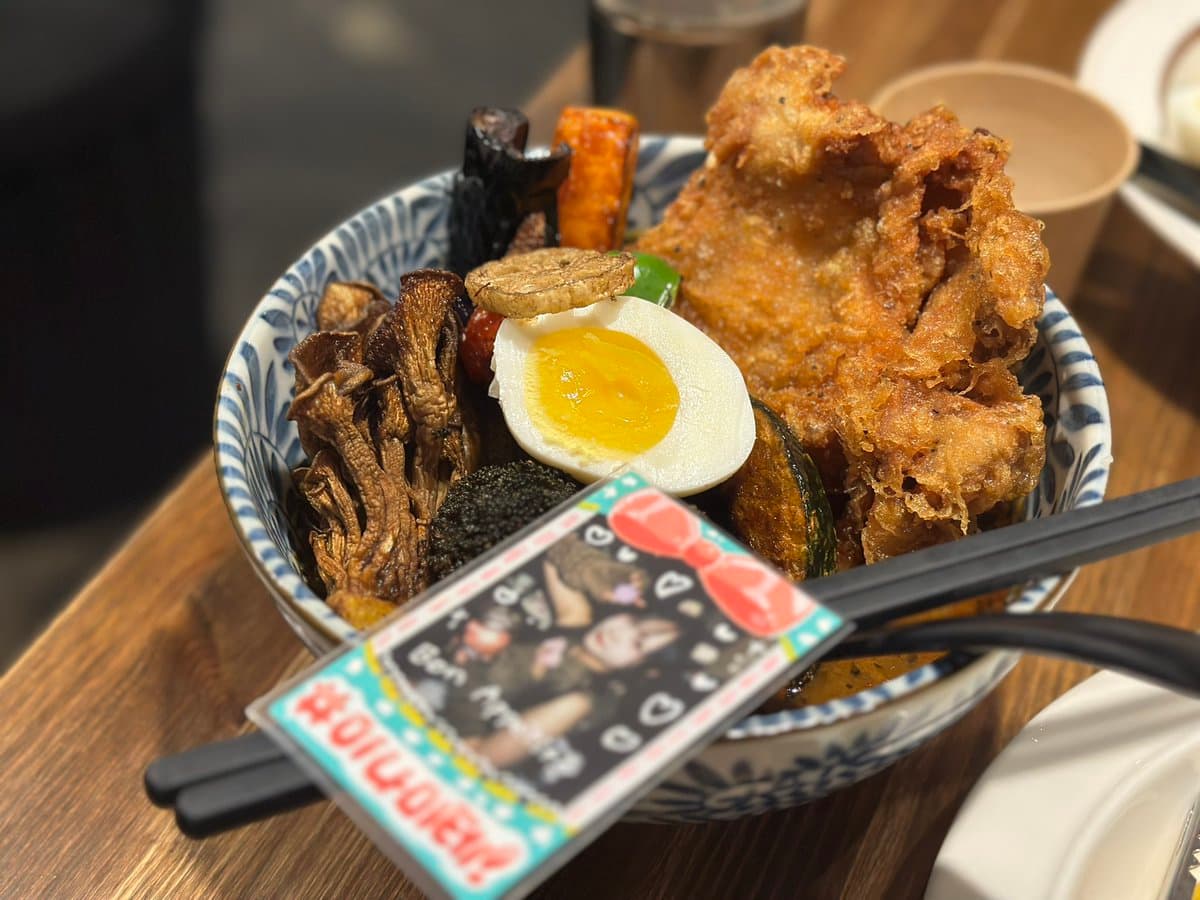
Hapjeong <Currygenal>. Fried boneless chicken-leg soup curry, level two. Every ingredient was cooked superbly: not merely dried out, but preserving its own texture and flavor, while the surface retained an exquisitely crisp finish. Truly high-level technique. It is not as clear as Hokkaido-style soup curry, but it is delicious.
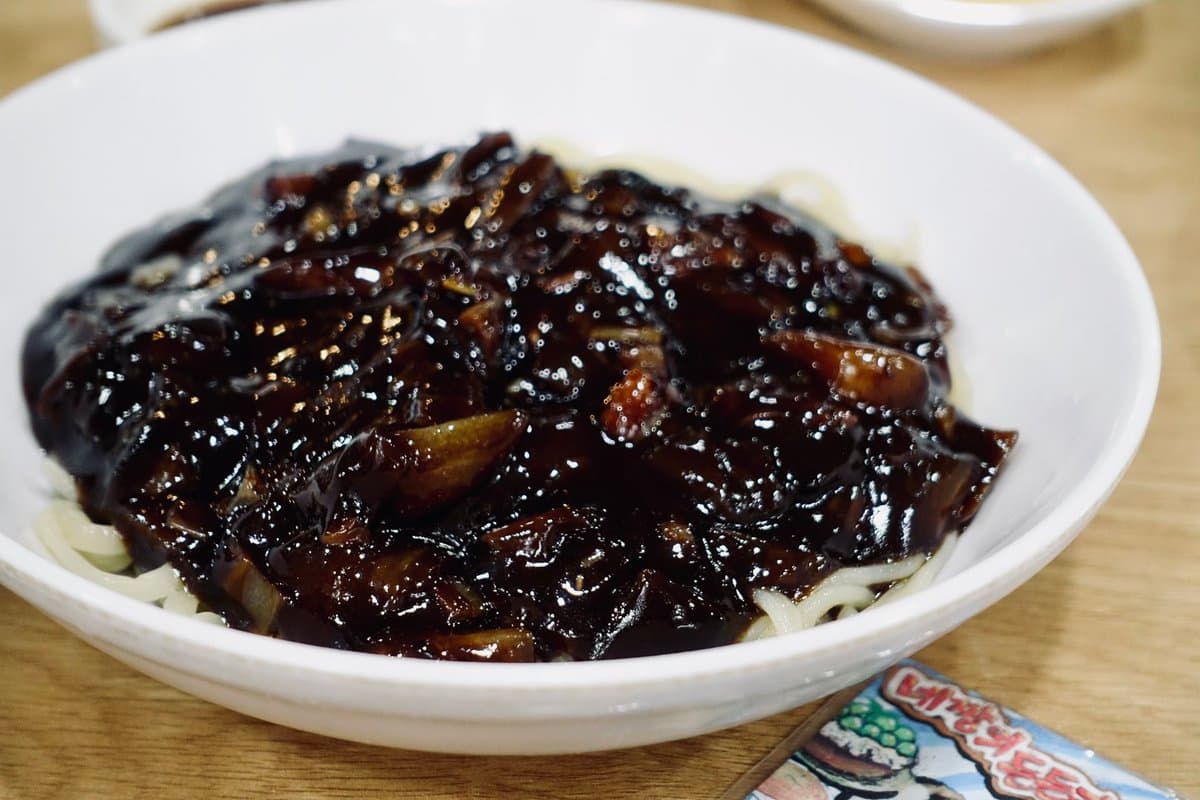
Hapjeong <Sihyang>. Specializes in old-style jajang, exactly as claimed. The noodles are hand-pulled in the kitchen; the sauce is made in-house rather than from a polished commercial base; the emphasis is on salt rather than sweetness. Those used to modern jajang may mistake it for careless, but it is one of the very few surviving old-school examples.
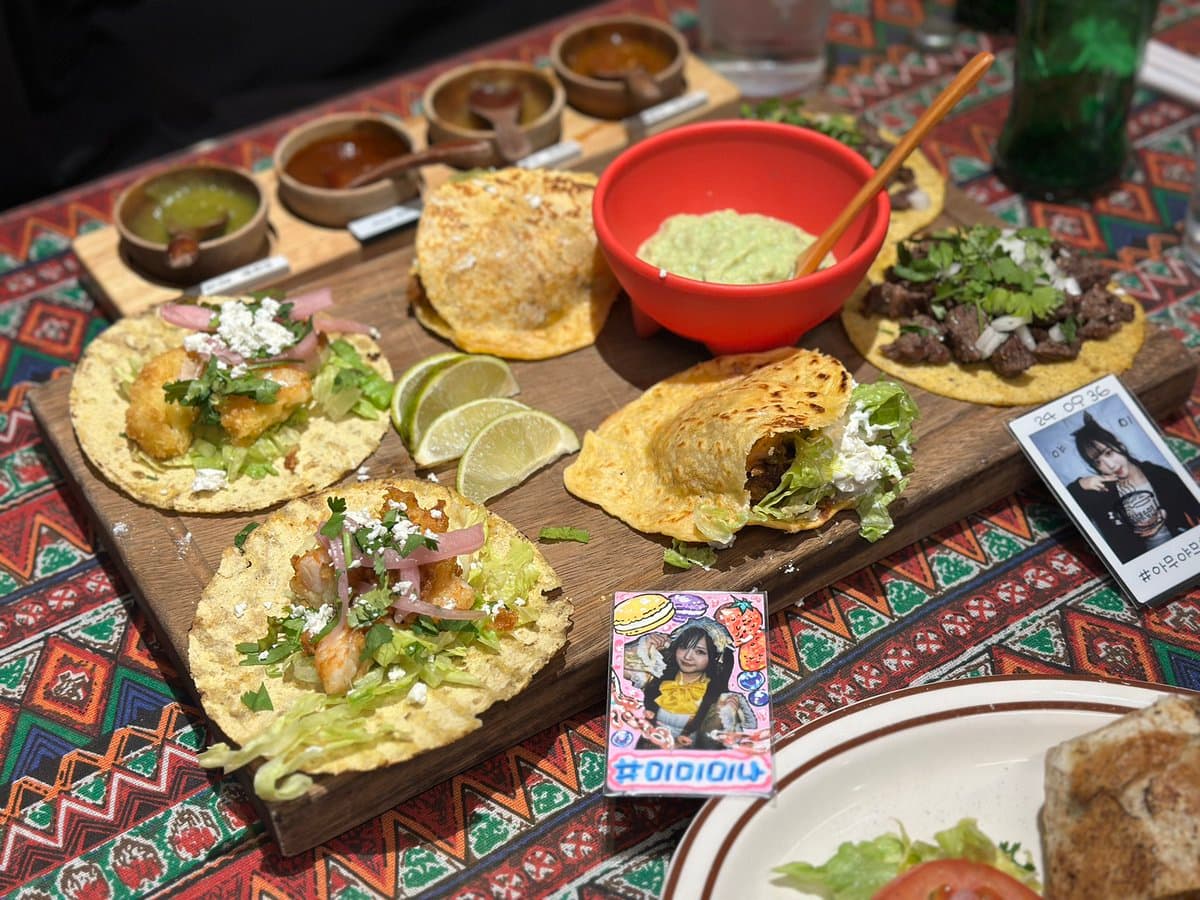
Hapjeong <Salsarica>. Taco set and burrito. This may be the best Mexican food in Hapjeong. Cilantro is woven through at exactly the right aromatic level, and the cheese tastes rich and fragrant enough to seem house-made. The portions are larger than they look, and the many ingredients fill the mouth with abundant aroma while retaining every detail.
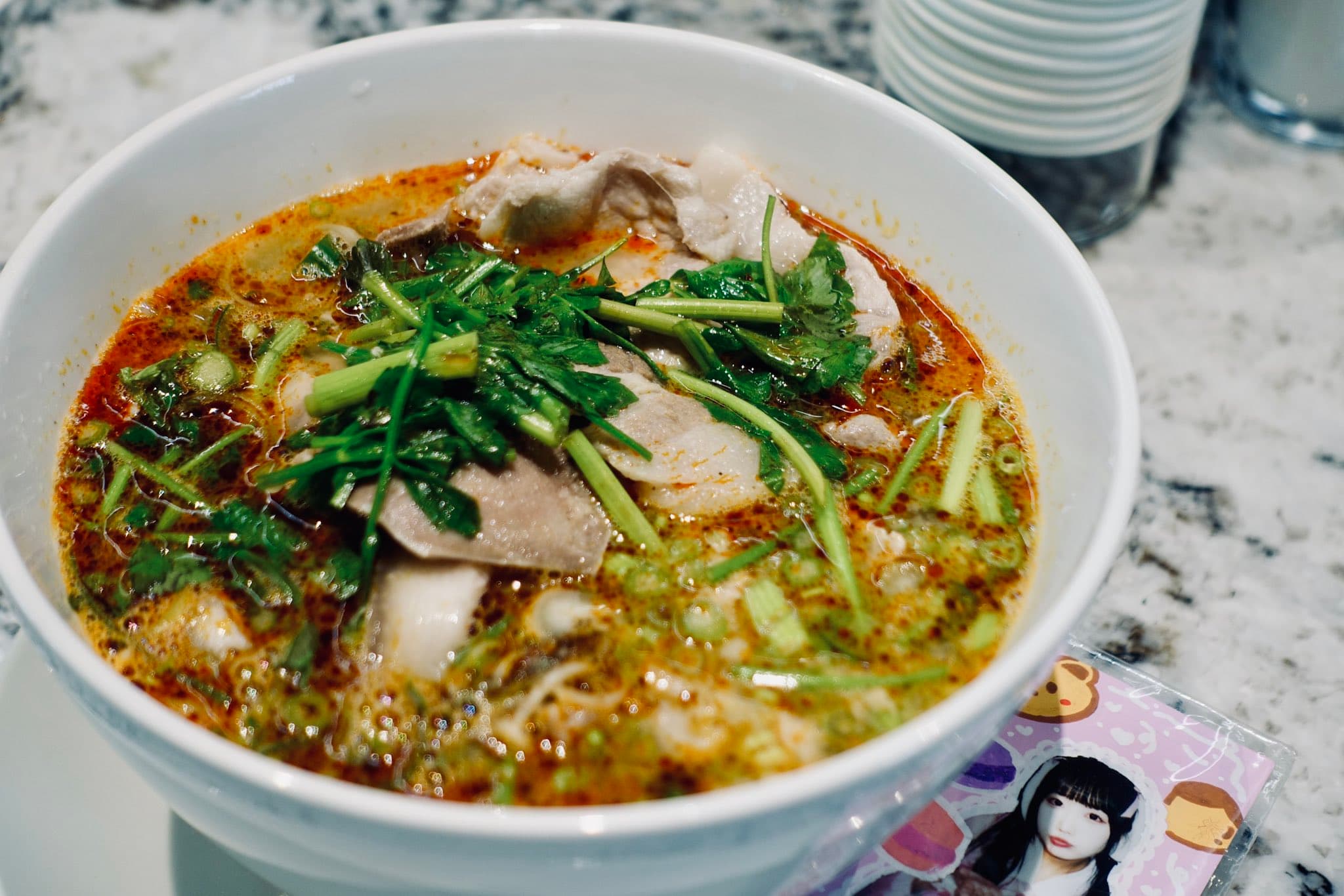
Hapjeong <Jeojeo>. Chungcheong-style pork gukbap is fairly unfamiliar, but the thought that remained while eating was simply that it tasted complete, without a gap. The concentrated soup is clean and excellently seasoned, and the rice arrives through *toryeom*. Sansho chili oil floats on top beneath water parsley. Nothing interferes with anything else. Every element is well placed.
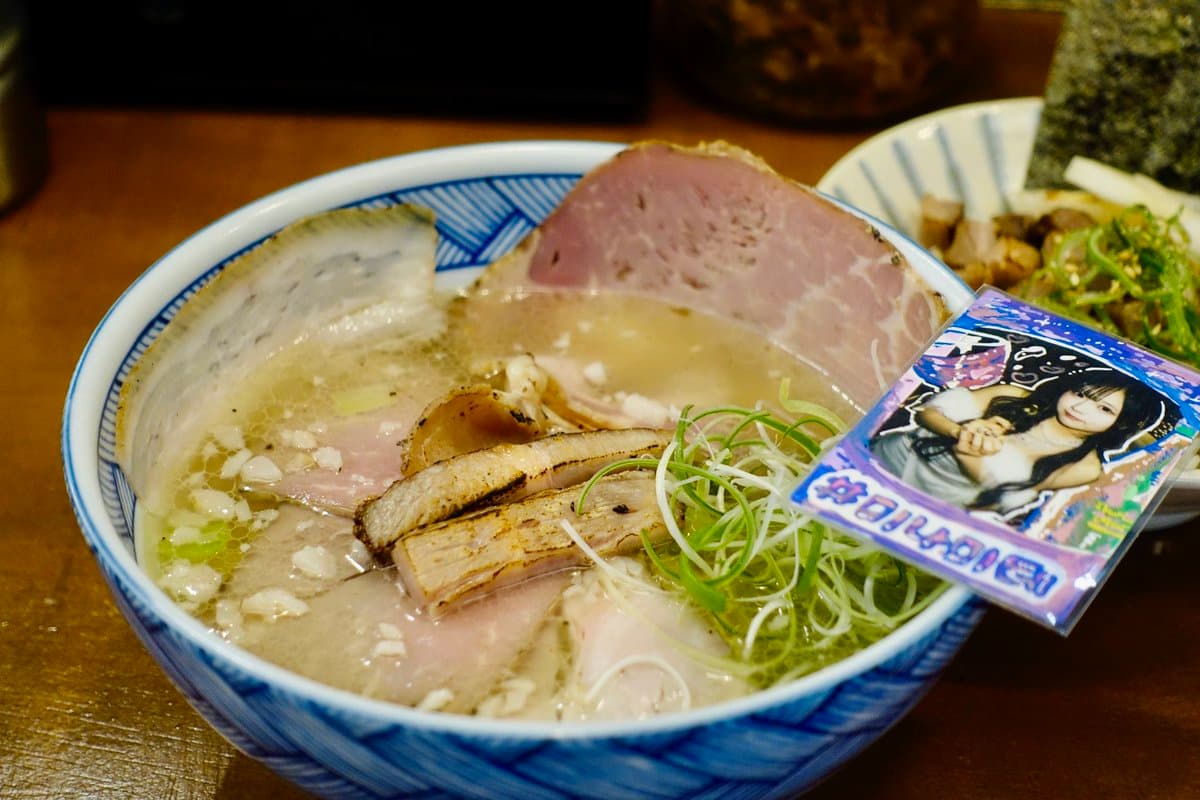
Hapjeong <Mendo Mukau>. Buta shio ramen. An intriguing clear soup that still carries a heavy, substantial flavor. The several cuts of chashu are quite good, and the chashu rice has smoky meat over a properly seasoned sauce. The Friday-and-Saturday tsukemen usually sells out during lunch; curiosity will bring me back.
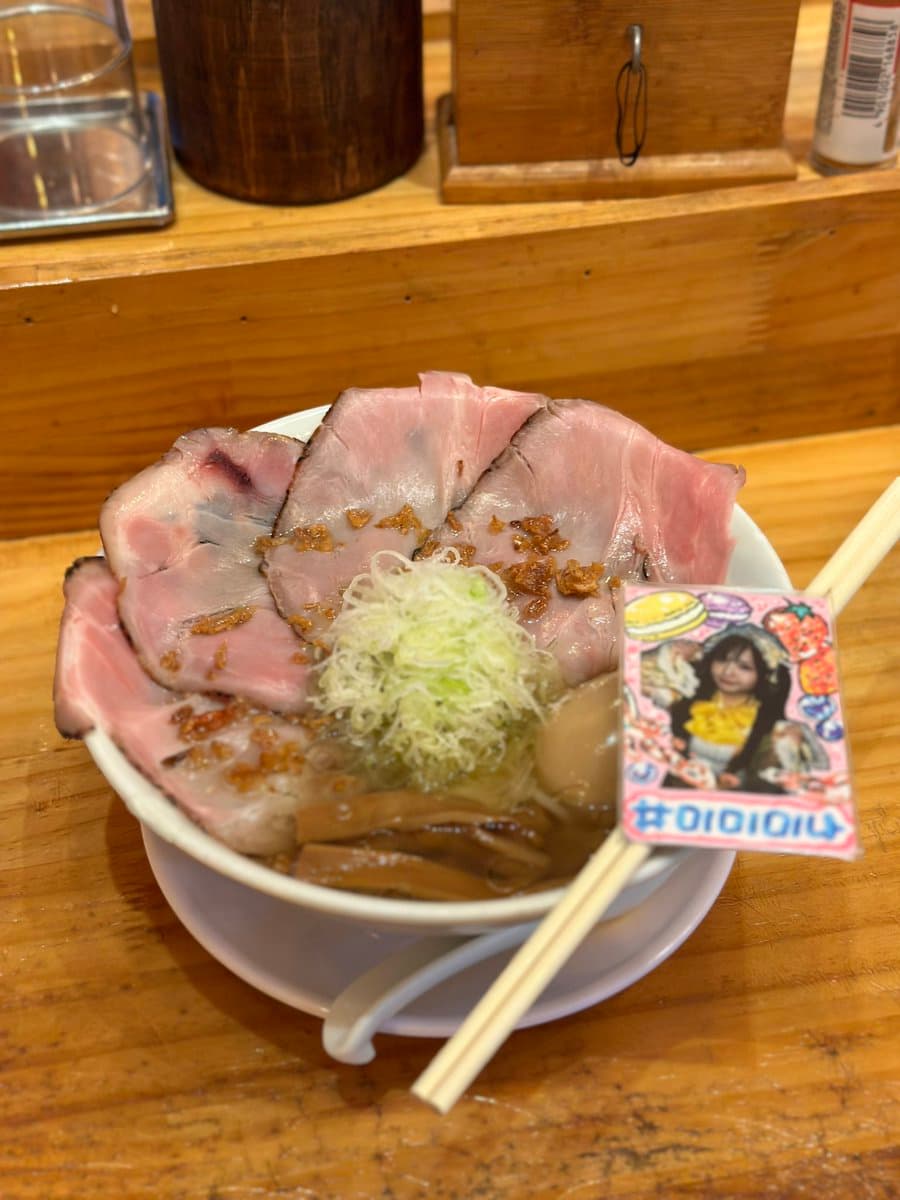
Hapjeong <Ramen at the End of the World>. Kai Ramen. It uses chicken and shellfish broths, with medium-width noodles cooked properly rather than too soft, so the noodles themselves taste good. I especially like how clearly the shellfish broth asserts its character. The seasoning is somewhat strong, but exactly as it should be. Pork belly had sold out, so the chashu was replaced with tender pork neck. A delicious bowl.
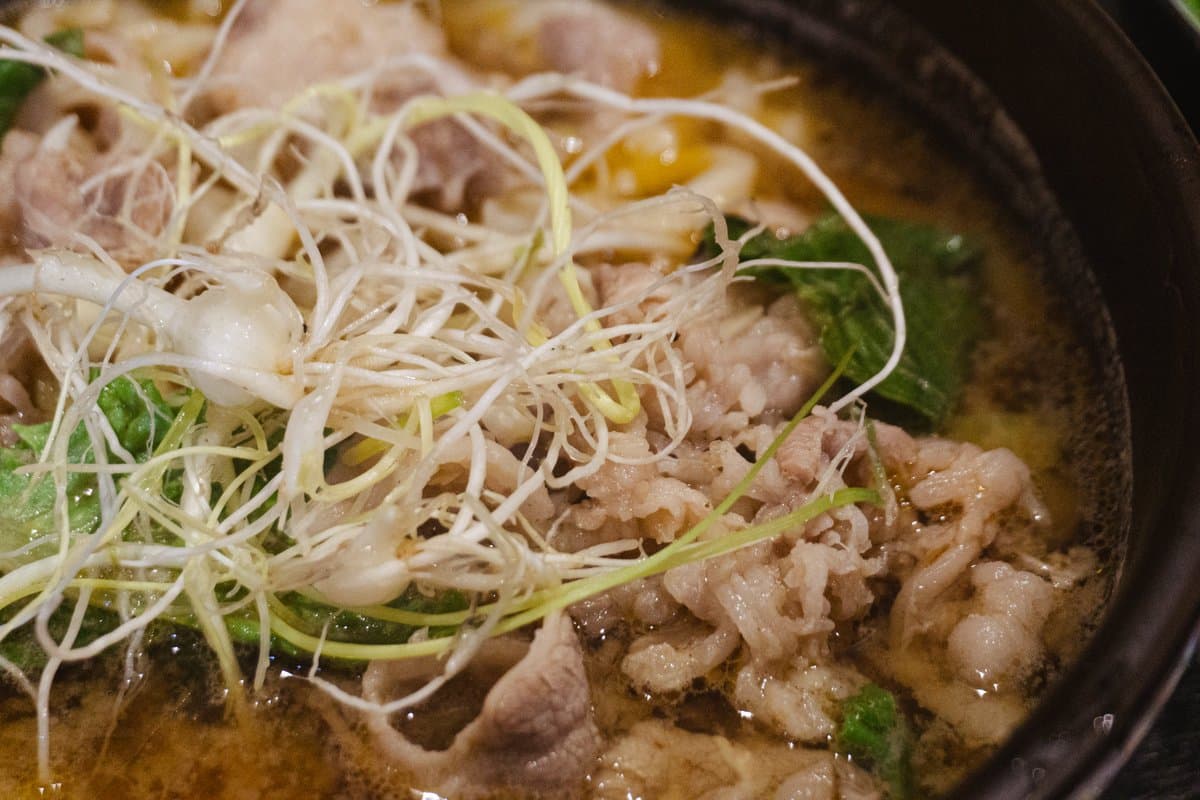
Hapjeong <Kagawa>. Udon and tonkatsu are the main offerings. It serves many kinds of udon, but today's choice was the seasonal miso meat udon. The cooked vegetables and concentrated miso broth bring a comforting sensation of warmth spreading through the body. It may not feel refined, but comforting food undeniably has its own place.
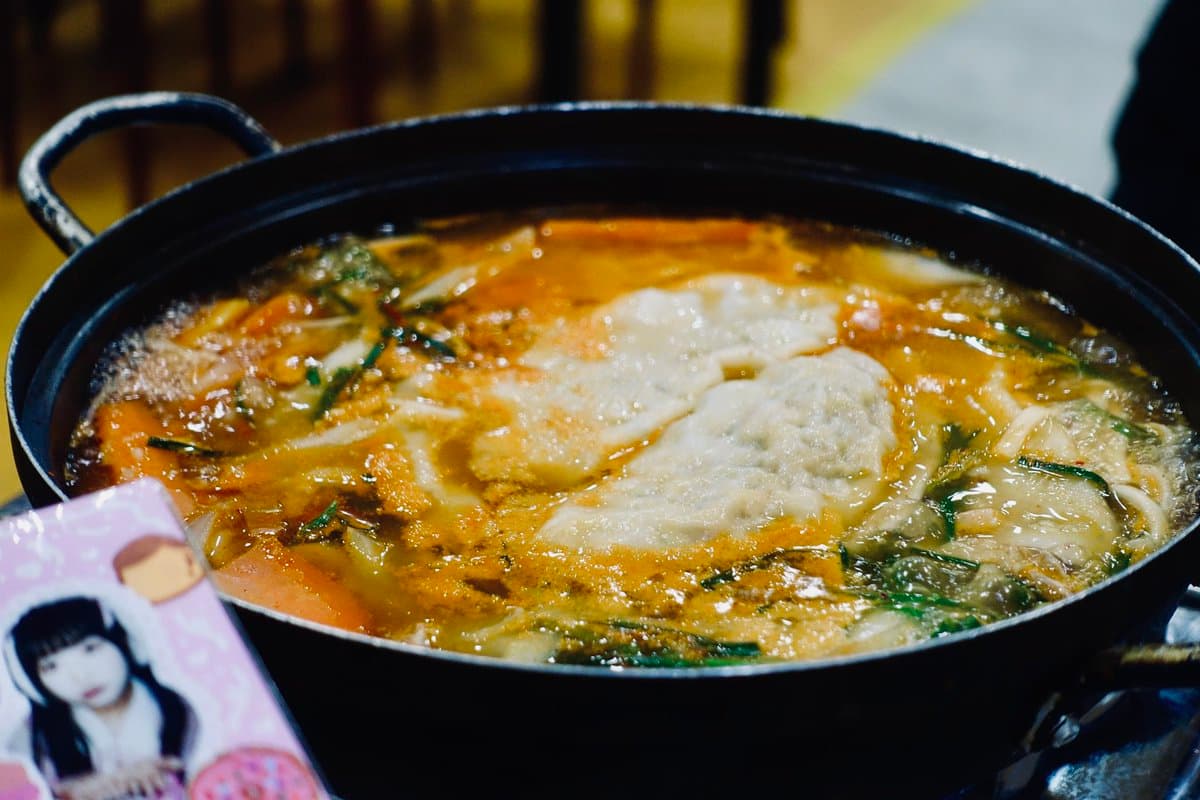
Hapjeong <Nambuk Tongil>. Northern-style mandu hot pot, with dumplings made in the kitchen. It looks unremarkable, yet tastes flawless. The dumpling wrappers and fillings are both soft and harmoniously made, and the kalguksu is startlingly good. It is not merely there to absorb the intensity of the hot pot; it is excellent in its own right. Not that the hot pot is particularly aggressive to begin with.
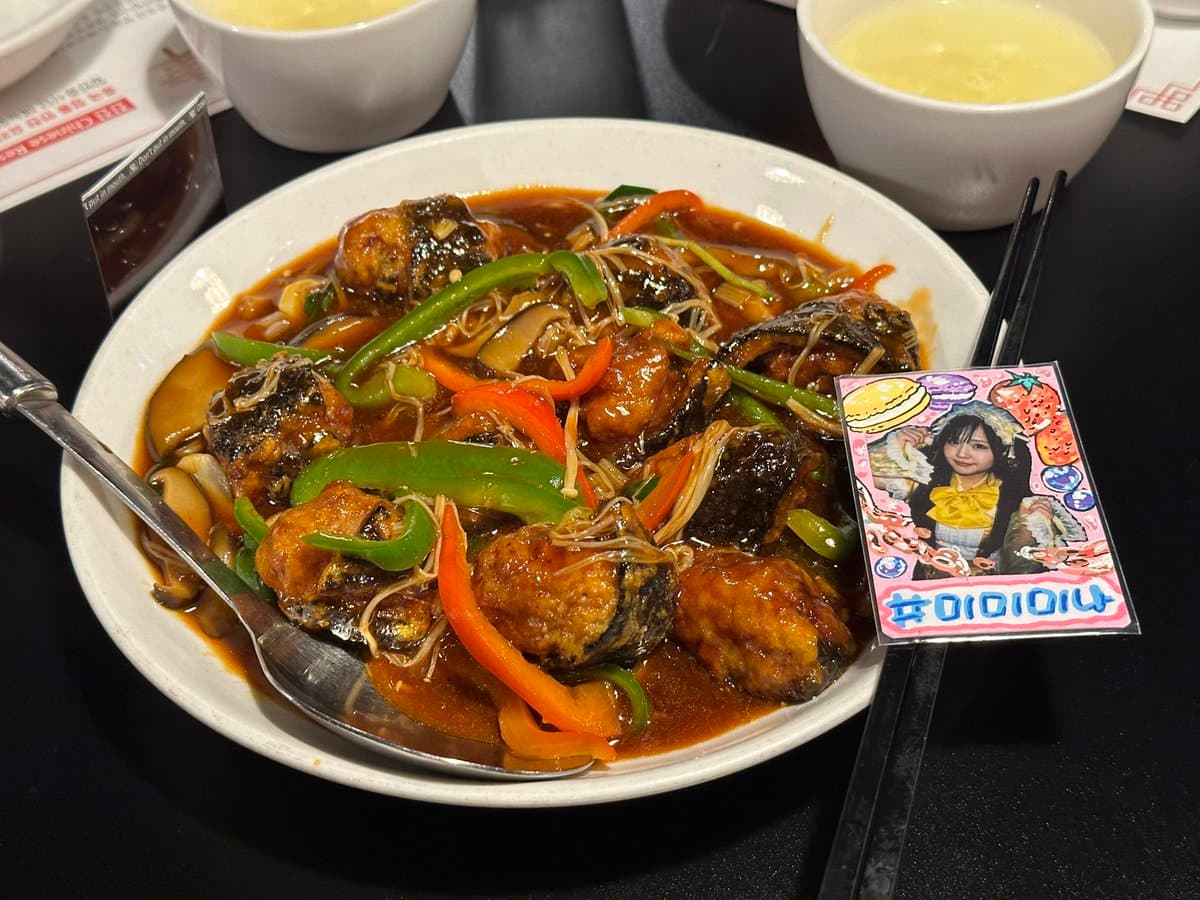
Seogyo-dong <Jinjin>, main building. Geumsaoryong and fried rice. I was genuinely satisfied for the first time in a while. The sea-cucumber flavor was good, the minced meat inside was juicy yet fresh, and the sauce excellent. The fried rice was uncommonly superb. The inclusion of lap cheong alone earns goodwill, and it was even fried exceptionally well. The details are alive. Delicious.