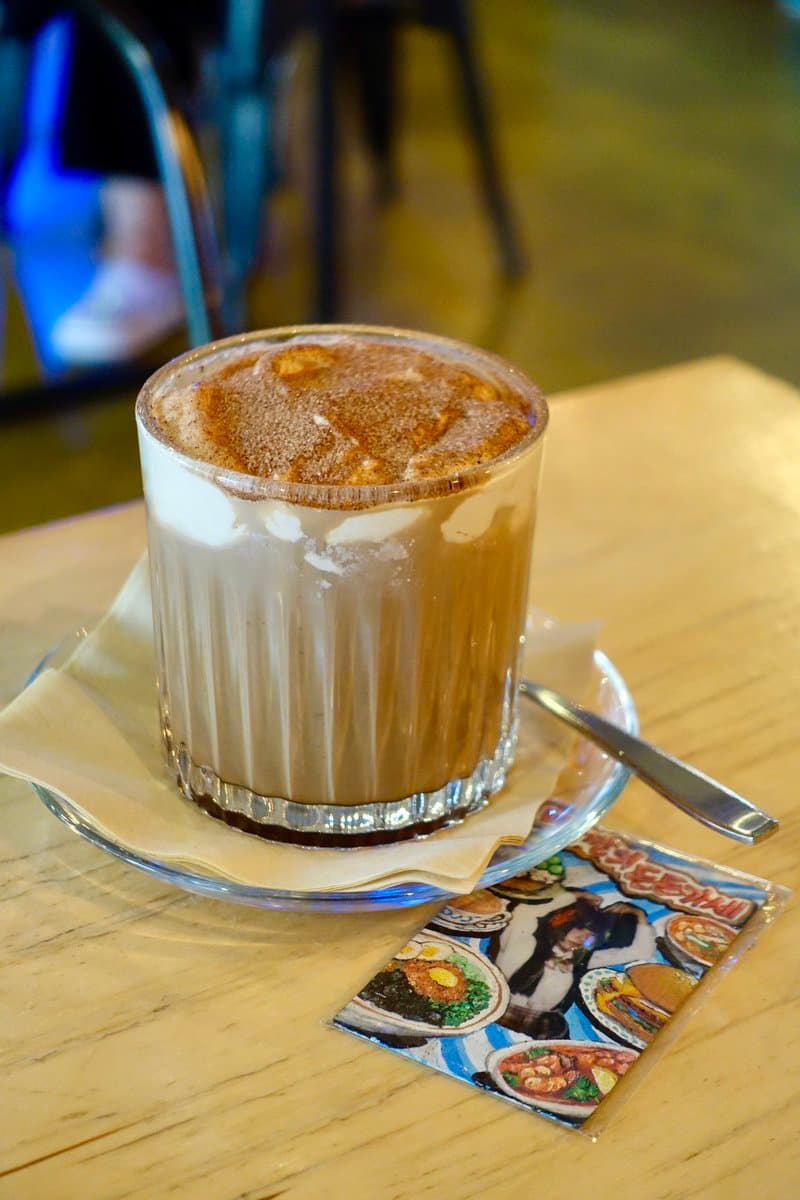
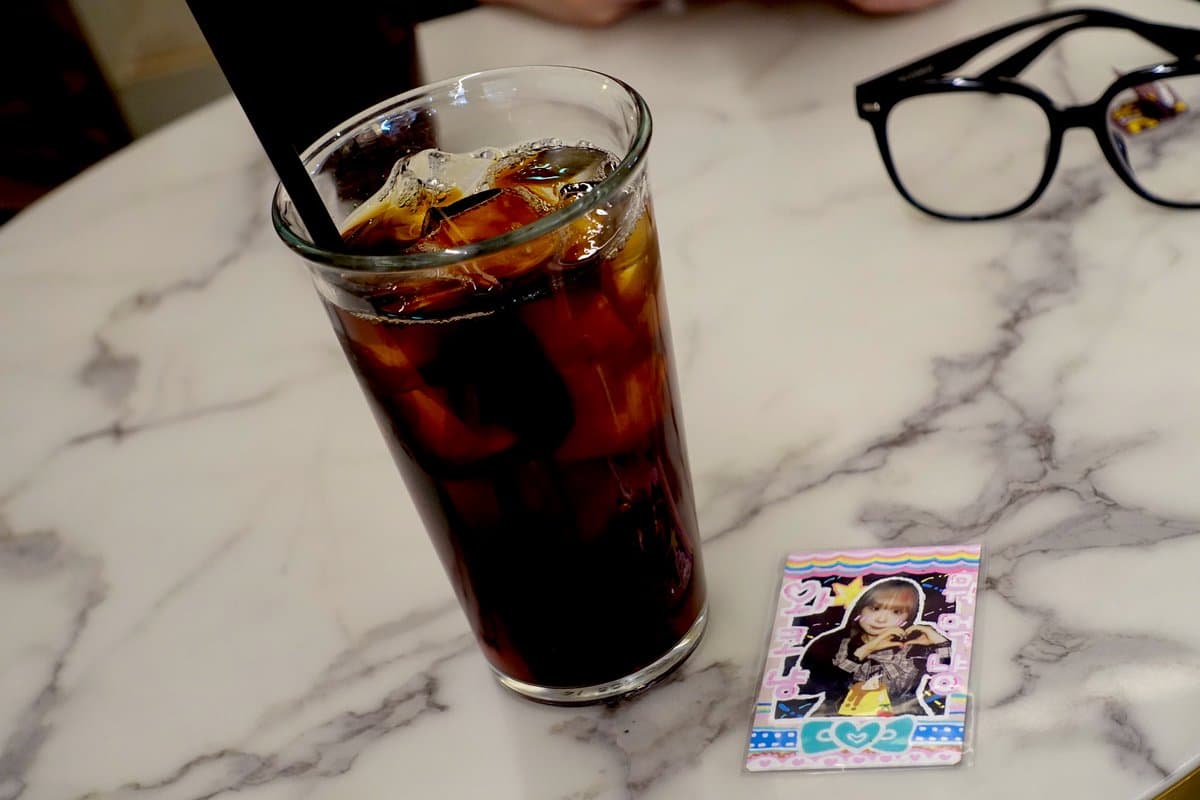
Hapjeong <Disco Planet>. The drinks are not especially good, but it is famous for a cat that wanders around the room. Some seats have outlets, and most tables are large enough for conversation or work. The cat has become a little rounder than three years ago. So have I 🙄.
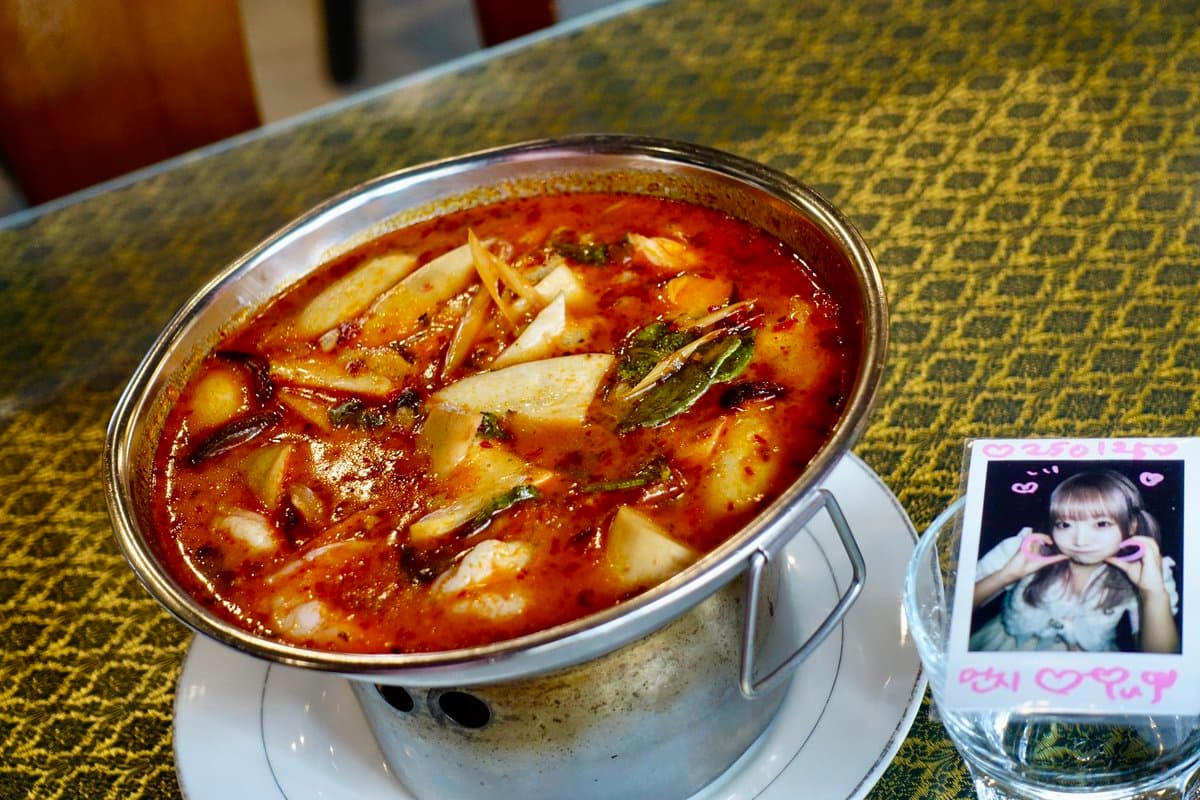
Hongik Univ. <Amazing Nong Khai>. Signature tom yum goong. Rather than tasting adapted for Korea, it delivers a bold, full-flavored profile with clearly defined character. Rice and noodles are not included, so they must be ordered separately. The ingredients themselves are not exceptional, but the cooking is good enough that it could easily be called a local favorite even in Thailand.
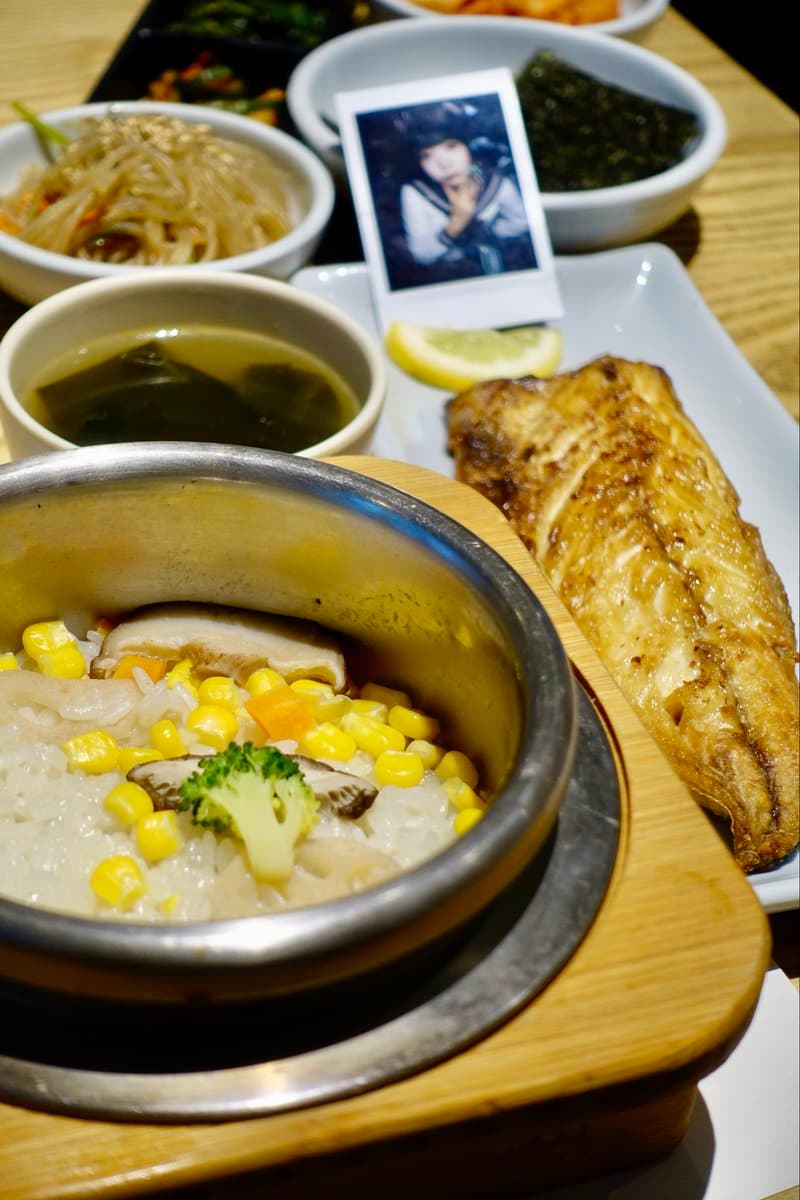
Hongik Univ. <Deulpul Hansang>. A pot-rice restaurant serving seasonal rice, a main dish, and several sides. I chose grilled mackerel; meats, deodeok, abalone, and other options are available. Nothing is extraordinary, but the unobtrusive composition and flavors seem built for repeat neighborhood visits without fatigue. Makgeolli pairings are also thoughtfully prepared.
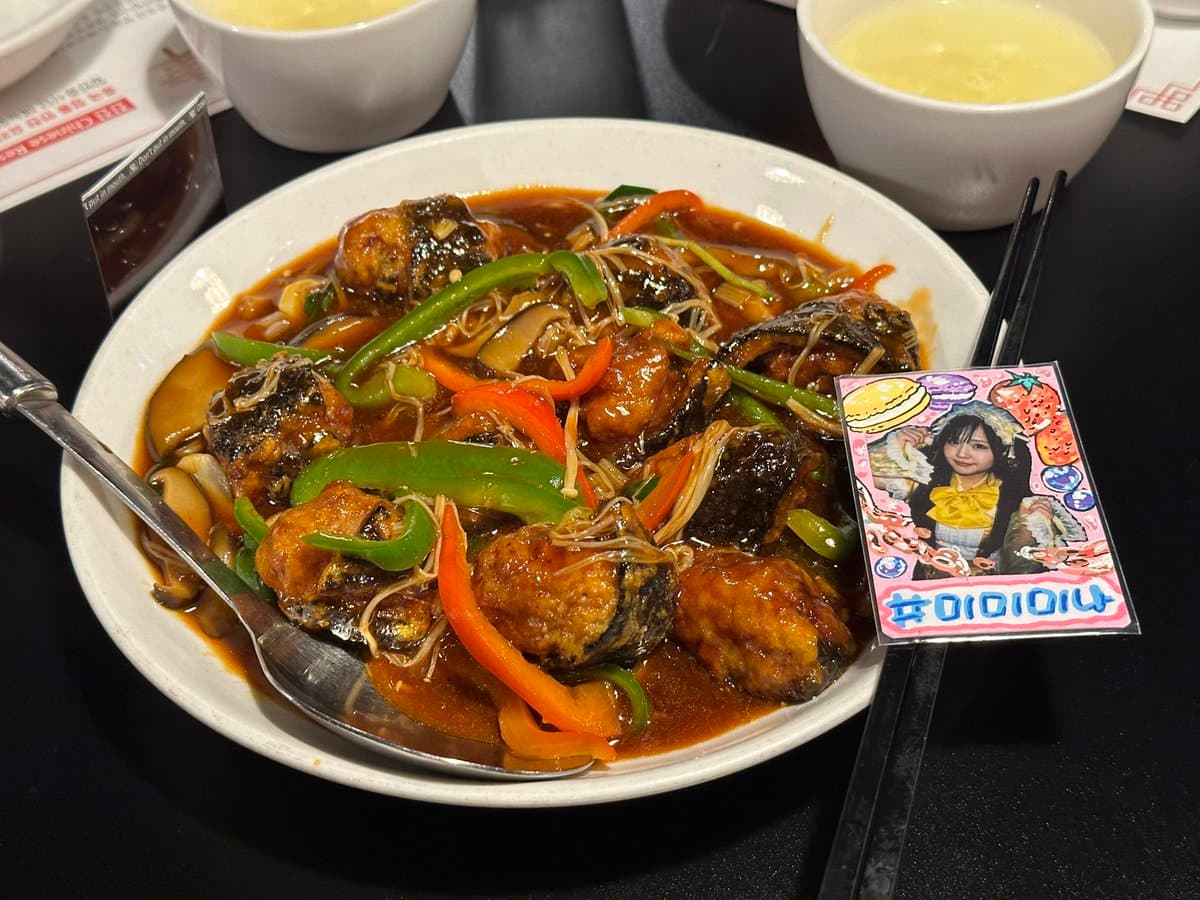
Seogyo-dong <Jinjin>, main building. Geumsaoryong and fried rice. I was genuinely satisfied for the first time in a while. The sea-cucumber flavor was good, the minced meat inside was juicy yet fresh, and the sauce excellent. The fried rice was uncommonly superb. The inclusion of lap cheong alone earns goodwill, and it was even fried exceptionally well. The details are alive. Delicious.
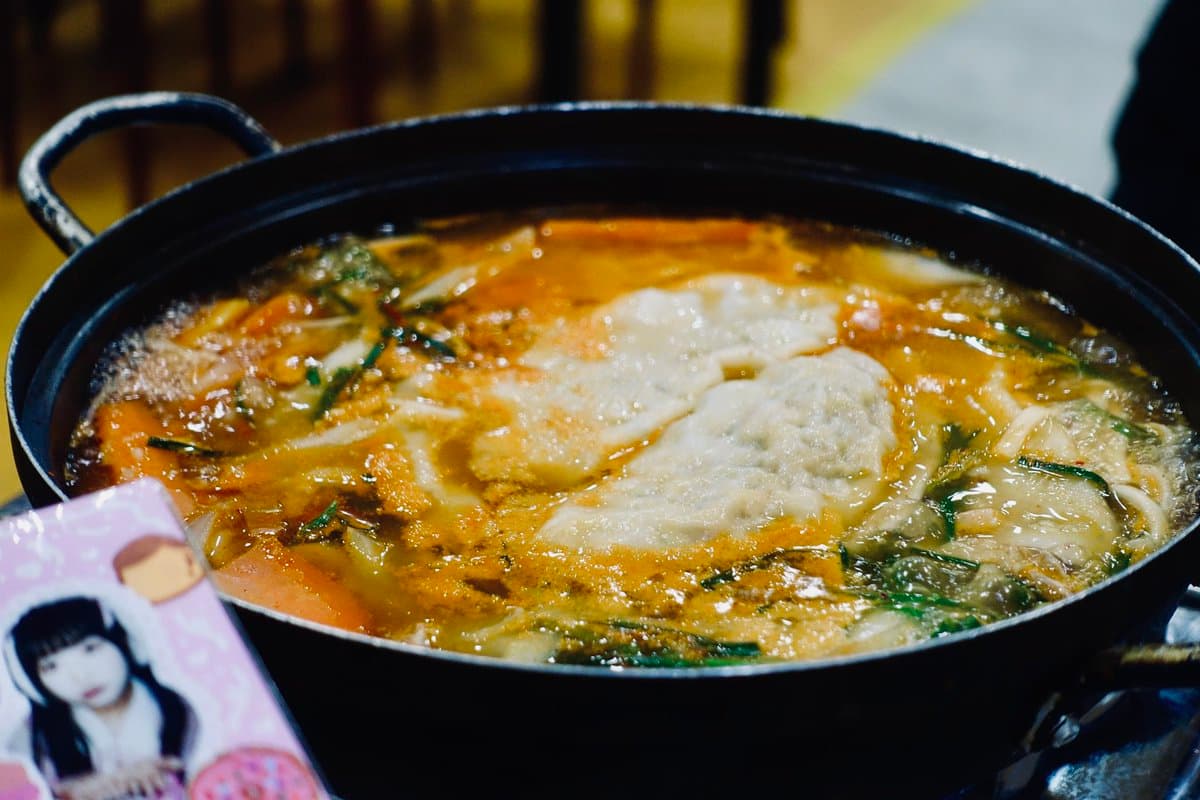
Hapjeong <Nambuk Tongil>. Northern-style mandu hot pot, with dumplings made in the kitchen. It looks unremarkable, yet tastes flawless. The dumpling wrappers and fillings are both soft and harmoniously made, and the kalguksu is startlingly good. It is not merely there to absorb the intensity of the hot pot; it is excellent in its own right. Not that the hot pot is particularly aggressive to begin with.
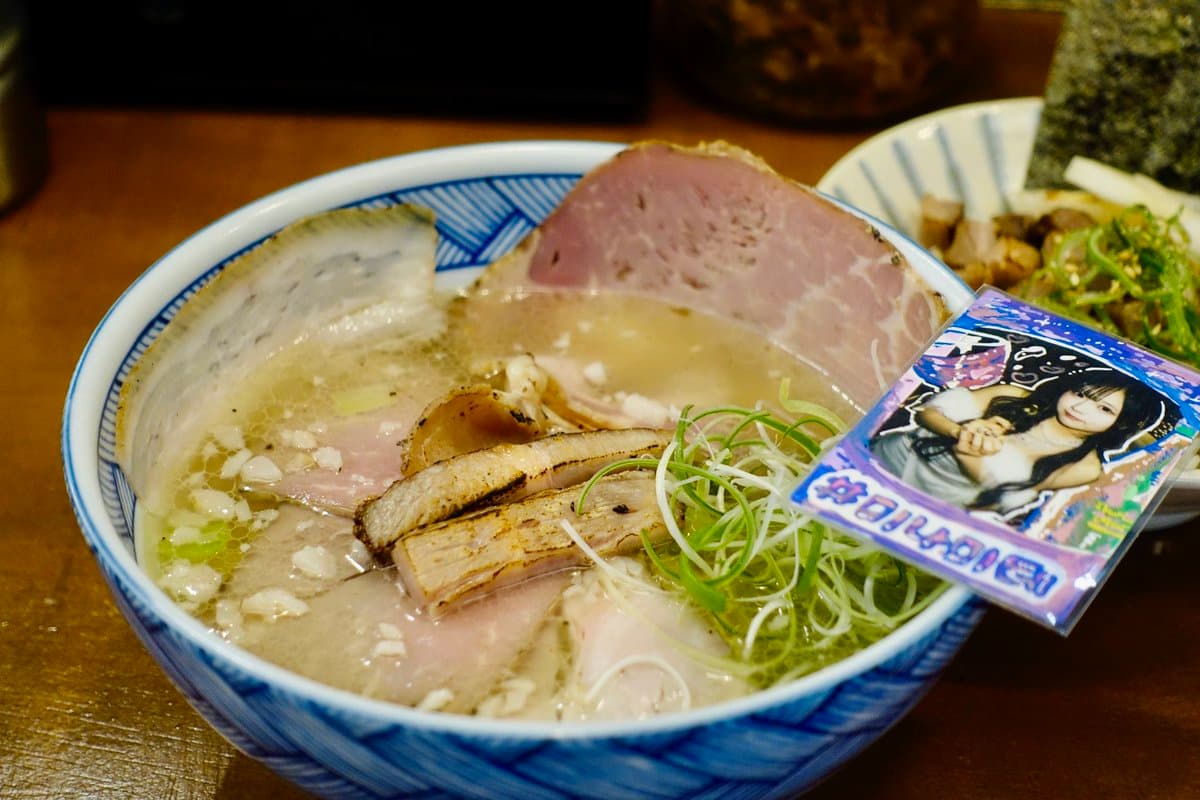
Hapjeong <Mendo Mukau>. Buta shio ramen. An intriguing clear soup that still carries a heavy, substantial flavor. The several cuts of chashu are quite good, and the chashu rice has smoky meat over a properly seasoned sauce. The Friday-and-Saturday tsukemen usually sells out during lunch; curiosity will bring me back.
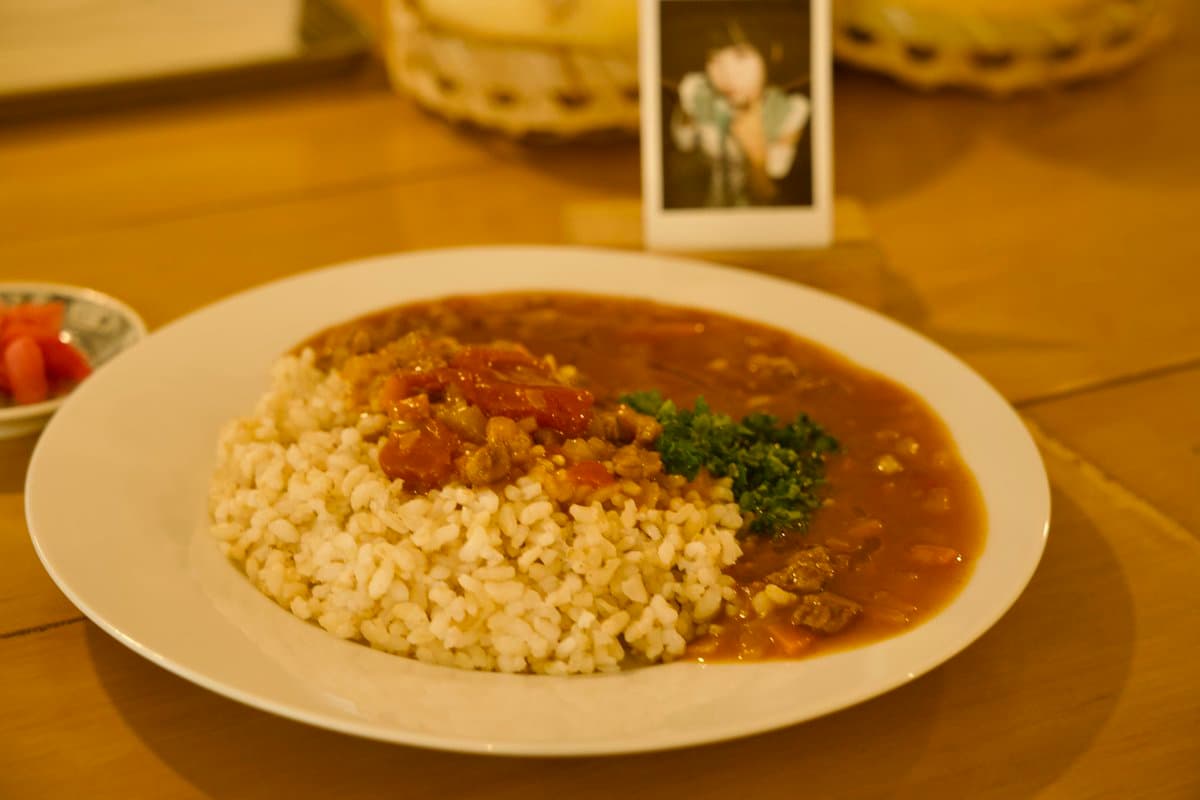
Hapjeong <Roots>. A Japanese-French bistro that serves a new seasonal lunch dish. The menu beginning Wednesday is lamb curry: a fresh vegetable curry with tomato for added umami, topped with lamb and parsley. Delicious. As the weather grows colder, they plan to change it into a composition with more overall weight.
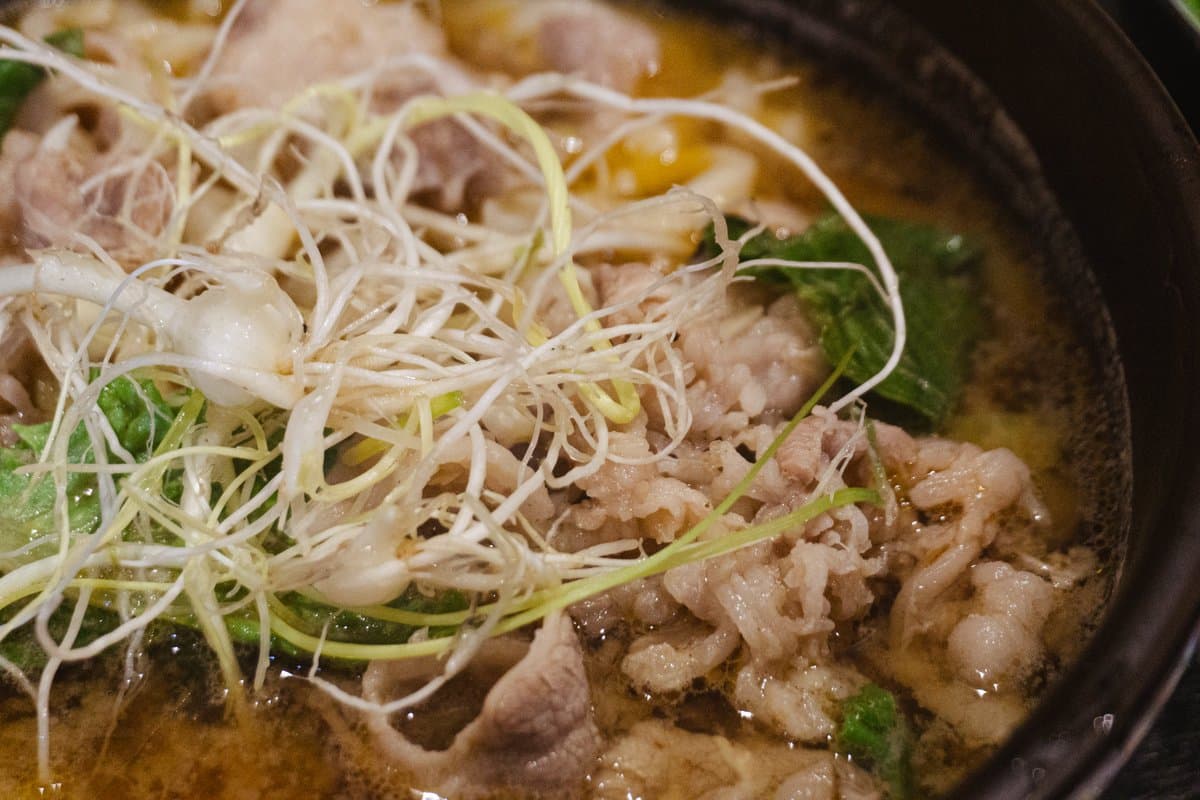
Hapjeong <Kagawa>. Udon and tonkatsu are the main offerings. It serves many kinds of udon, but today's choice was the seasonal miso meat udon. The cooked vegetables and concentrated miso broth bring a comforting sensation of warmth spreading through the body. It may not feel refined, but comforting food undeniably has its own place.
Seogyo-dong <Roasting Masters>. The name carries plenty of swagger, but some of it is justified. The coffee is very good. Beyond coffee, they roast cacao and make their own chocolate as well. The Meister Blend is around a medium-dark roast, with good detail. After drinking acidity-led coffee for so long, this style feels welcome.
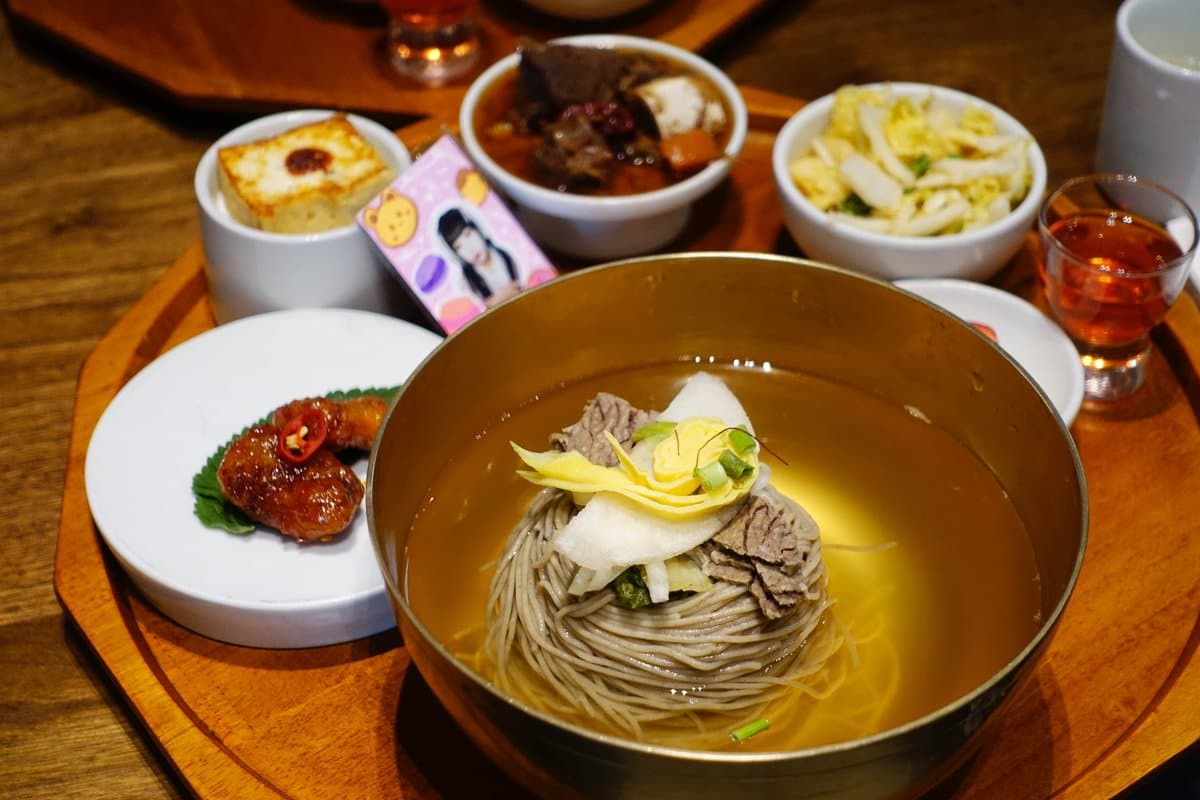
Hongdae <Seogwan Myeonok>. Special *myeonsang* set. The broad and generous assortment of side dishes was welcome, and above all, the main event—the naengmyeon—was excellent. The seasoning is restrained, but the aroma of the pure buckwheat noodles is richly apparent. The side dishes are generally more assertively seasoned, creating a good balance. A place that guarantees satisfying fullness.